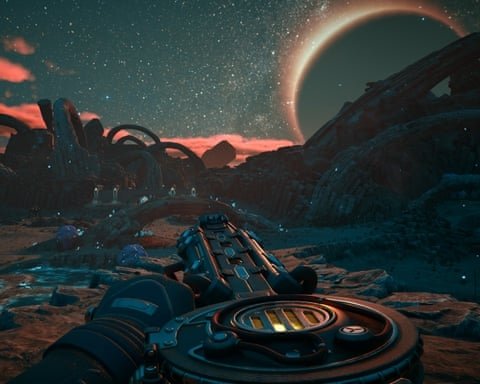
The much-anticipated release of a sequel to a beloved role-playing game initially promised a fresh adventure for our household. The original title had captivated us with its distinctive visual style and sharp writing, weaving a compelling narrative that pitted the individual against vast, corrupt systems. While its combat mechanics weren’t revolutionary, the game’s heart and clear passion from its developers made it a family favorite.
The excitement, however, was short-lived. My son was the first to complete the new installment, and his review was blunt: “You are going to hate it.” Determined to form my own opinion, I dove in.
The sequel’s technical performance was impressive, featuring refined combat and a smooth, responsive feel. Yet, these strengths were overshadowed by a narrative that fell completely flat. The opening hours buried the player under a weight of tedious political exposition. The dialogue felt clunky and uninspired, with characters endlessly complaining in a bleak, broken world that lacked any sense of wonder. It was a dreary and unengaging experience.
My son was right. After twenty hours, I put the controller down. “How did they get it so wrong?” I asked him. His assessment was that the game lacked a soul; the story felt like an afterthought.
This shared disappointment, ironically, became the catalyst for one of our best conversations about gaming. We discussed what truly makes a role-playing game resonate. We agreed that at its core, a great RPG requires a storyteller’s touch. The genre’s roots are in tabletop games like Dungeons & Dragons, where a skilled Dungeon Master can transform a simple ruleset into an unforgettable adventure. Without that narrative commitment, it becomes a hollow exercise in statistics.
We reflected on the worlds that have truly immersed us—from the frozen peaks of Skyrim to the cyberpunk alleyways of Deus Ex. Graphics are secondary; a powerful world can be built from the simplest pixels if the imagination is properly engaged. What matters most are characters you care about, and this sequel offered none. Its cast was forgettable, and the dialogue failed to hold attention outside of combat.
This led to a deeper realization about the appeal of RPGs. In a complex world where hard work doesn’t always guarantee success, these games offer a model of a just meritocracy. Through dedication and effort, your character can grow, overcome challenges, and earn rewards—a satisfying contrast to real-world inequities.
While the game itself was a letdown, it provided an unexpected gift. Instead of losing ourselves in a digital universe, we found connection through a shared critique of one. It was a potent reminder that sometimes, a game’s greatest legacy isn’t the story it tells, but the conversations it sparks in the real world.