The gaming industry finds itself at a critical juncture as artificial intelligence becomes increasingly integrated into game development. Recent controversies surrounding AI-generated content have ignited passionate discussions about the technology’s role in creative works.
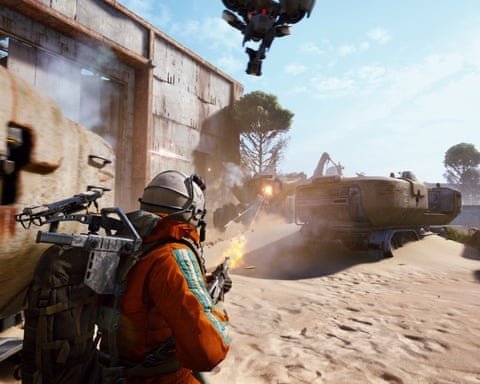
One notable multiplayer title has unexpectedly become a focal point in this debate. The game, which tasks players with surviving in a machine-dominated world, has garnered attention for its cooperative gameplay dynamics. Reviewers have noted that unlike many competitive shooters, participants frequently choose collaboration over confrontation, creating unexpectedly positive social interactions.
However, this celebration of human connection stands in stark contrast to the game’s use of AI-generated voice work. The technology, which synthesizes speech from actor recordings, has drawn criticism from those who argue it undermines the creative contributions of human performers.
The ethical implications extend beyond this single title. Another major franchise recently faced backlash for incorporating AI-generated artwork, despite the developer’s substantial resources. Critics question why well-funded studios would choose machine-generated content over human-created work.
Industry professionals express concern about how widespread AI adoption might affect employment opportunities. Voice actors, artists, and writers worry that corporate interests could prioritize cost-saving technology over human creativity. Several major companies have already implemented internal AI tools, while others have described themselves as “AI-first” developers even as they offer voluntary redundancy packages.
Defenders of the technology often come from executive positions rather than development teams or player communities. One prominent industry figure recently argued that generative AI could revolutionize gaming by creating unlimited, context-sensitive dialogue. This vision of endlessly generated content has been met with skepticism by those who value carefully crafted human performances.
The gaming world has frequently served as an early indicator of broader technological and cultural shifts. Previous trends like blockchain gaming and metaverse development first gained traction in gaming before spreading to wider tech circles. The current AI debate may similarly foreshadow coming discussions across creative industries.
As players encounter more AI-generated content, questions arise about quality standards and appropriate pricing. The industry appears to be establishing new boundaries regarding what uses of AI technology are culturally and ethically acceptable.
The conversation reflects a larger tension between creative labor and corporate efficiency. As technology advances, the gaming community continues to grapple with fundamental questions about preserving human artistry while embracing innovation.