
The partial resumption of United Nations nuclear monitoring activities in Iran has triggered significant political opposition within the country’s parliament. Lawmakers are contesting the decision, arguing it violates legislation enacted following military strikes on Iranian nuclear facilities earlier this year.
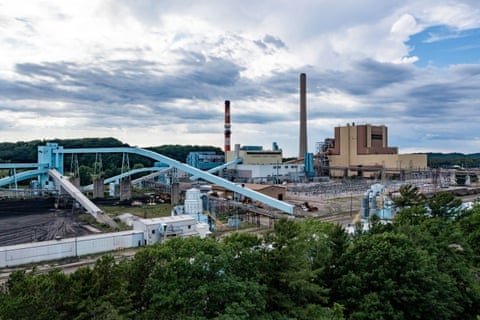
Iranian authorities have emphasized that the current arrangement involves strictly limited access for International Atomic Energy Agency personnel. The inspectors are reportedly permitted only to oversee refuelling operations at the Bushehr nuclear facility, a requirement under international non-proliferation agreements. Government representatives have clarified that bombed sites remain off-limits to inspectors pending further discussions.
Parliamentary critics maintain that even this restricted access contravenes legislation passed in July that broadly prohibited the UN nuclear watchdog’s return after the attacks. Some legislators have characterized the move as unlawful, with one prominent lawmaker asserting that violators could face maximum criminal penalties under Iranian law.
The controversy highlights the Iranian government’s challenging position in navigating heightened nationalist sentiments while managing international pressure. European nations have established three key conditions to avoid reinstating previous sanctions when the nuclear agreement expires next month: full disclosure of highly enriched uranium stockpiles, complete restoration of monitoring access, and renewed diplomatic engagement regarding Iran’s nuclear program.
International efforts continue to seek diplomatic solutions, with proposals circulating at the United Nations to extend negotiation timelines. The situation remains delicate, with the head of the International Atomic Energy Agency emphasizing that resumed inspections represent a crucial measure to prevent further escalation of regional tensions.