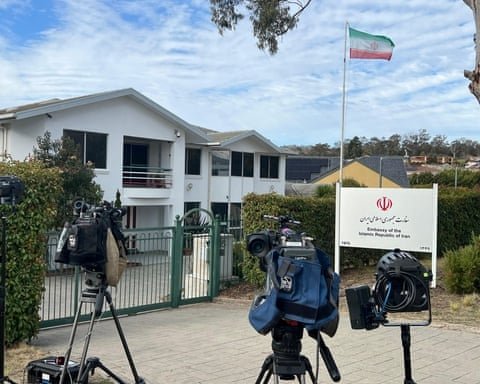
Recent antisemitic attacks in Sydney and Melbourne represent a significant escalation in Iran’s pattern of foreign interference operations. These incidents form part of Tehran’s broader strategy to project power amid diminishing conventional capabilities.
For decades, Iran has maintained hostile relations with Western nations while largely avoiding direct confrontation with Australia. This changed dramatically with coordinated assaults against Jewish institutions, revealing a calculated shift in Tehran’s approach. The Islamic Revolutionary Guard Corps stands accused of orchestrating these attacks as part of Iran’s ongoing efforts to destabilize democratic nations worldwide.
Several factors explain why Australia has become a target. Years of international sanctions and military setbacks have eroded Iran’s traditional means of projecting influence. With conventional military options limited and proxy forces weakened, Tehran increasingly relies on asymmetric tactics including foreign interference and political violence. This represents one of the few remaining tools available to Iranian leadership.
The timing reflects Iran’s domestic preoccupations as well. Since the 2022 protests following Mahsa Amini’s death, Tehran has intensified efforts to counter perceived threats to regime stability. This includes distracting from internal challenges through external provocations and targeting dissident communities abroad.
Australian authorities had previously documented Iran’s harassment of diaspora communities, with warnings dating back to 2023. The government’s recent response—expelling Iran’s ambassador, closing diplomatic missions, and designating the IRGC as a terrorist organization—marks a decisive break from previous engagement policies.
These measures carry significant risks. Iran has threatened reciprocal action, potentially including hostage diplomacy or attacks against Australian interests overseas. The diplomatic rupture essentially severs official channels between the two nations, a consequence Canberra appears prepared to accept given the severity of the interference threat.
The designation of the IRGC as a terrorist entity represents particularly uncharted territory, as few nations have taken similar action against an official arm of a recognized government. While critics argue this step came too late, it provides authorities with additional tools to counter Iranian operations.
This development underscores how nations once considered insulated from global conflicts now face sophisticated interference campaigns. As Iran’s conventional capabilities diminish, its reliance on asymmetric tactics appears likely to increase, presenting ongoing challenges for international security.