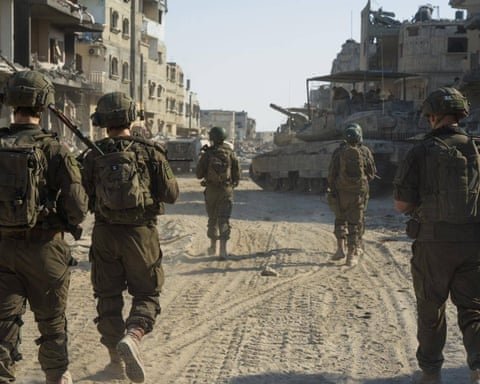
A new wave of mobilization is summoning tens of thousands of Israeli reservists back to active duty, placing many at the center of a profound national debate over the ongoing conflict. While few are expected to refuse their call-up orders, a significant number are reporting for service with deep personal and ideological reservations.
The military has initiated the call-up of tens of thousands of personnel, with more expected to follow if the campaign continues for months, as many analysts anticipate. For the soldiers involved, the decision to return is often fraught with internal conflict.
One combat medic, who recently returned from Gaza, expressed a sentiment echoed by others: the willingness to sacrifice is absolute, but the current objective seems unclear. “We are prepared to give our lives,” he stated, “but the stark reality is that we are now dying without a clear purpose. Militarily, the gains appear minimal, yet withdrawing feels equally untenable, leaving communities vulnerable and hostages in captivity. These are impossible questions.”
A significant point of contention is the political leadership, with many reservists expressing a lack of trust in the current government. A 47-year-old paratrooper with hundreds of days of service since the October 7th attacks said his motivation to serve now stems solely from loyalty to his unit. “I go back out of commitment to my battalion—it’s like family. I feel a huge responsibility toward them, not the political establishment,” he explained.
Public opinion reflects this division. Recent polling indicates a majority of the population supports a deal to secure the release of hostages and is critical of the government’s management of the war.
Conversely, a substantial portion of the reservist force remains fully committed to the military campaign. A reservist colonel with extensive service stated, “It is a long and exhausting war, but we see no alternative. For the security of the state, we cannot stop midway.” He described the conflict as part of a broader global struggle.
The reservist system forms the backbone of the military, constituting a large percentage of its total strength. The current conflict has placed an unprecedented strain on this institution, with some individuals serving hundreds of days. The personal toll is severe, with reports of failed businesses, broken marriages, and a notable incidence of post-traumatic stress among returning soldiers. This has intensified a parallel national debate about the equitable sharing of the military burden across all segments of society.
While official refusal rates remain low, military analysts note that dissent often takes less direct forms. Some reservists find ways to postpone or avoid service by citing medical or personal reasons. A former head of the reservist system estimated that public protests against the war do not always translate into a refusal to serve, with many demonstrators still reporting for duty when their orders arrive.
Organized opposition is also emerging from within the ranks. Groups of veterans and reservists are circulating petitions calling for an end to the conflict, arguing that the war has strayed from its original objectives and lacks a coherent strategy.
A small number are taking a more definitive stand. One artillery reservist has officially notified his command that he will not rejoin his unit, making a public statement about what he perceives as a disconnect between the government’s aims and the will of the people. “I am not a pacifist,” he clarified. “We were attacked, and I served. But you have a duty to refuse orders that you believe are wrong.”
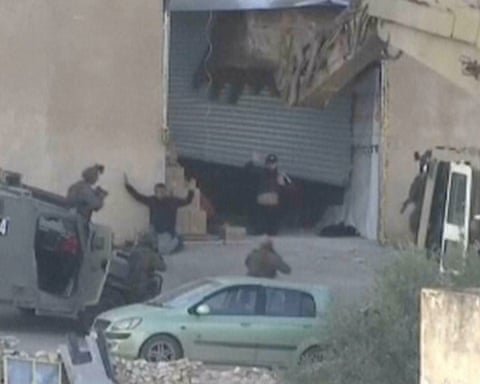
The majority of those newly mobilized are expected to be deployed to border areas or the West Bank, thereby freeing up regular forces for other duties. Ultimately, the system relies on a culture of voluntary compliance and shared responsibility. As one analyst put it, the legal requirement to serve is secondary; the structure holds because the vast majority choose to answer the call, despite their doubts.