A severe water crisis is gripping Iran, driven by prolonged drought, unsustainable agricultural practices, and extensive overuse of groundwater. Experts warn that the country is rapidly depleting its water reserves, with critical consequences for cities, agriculture, and regional ecosystems.
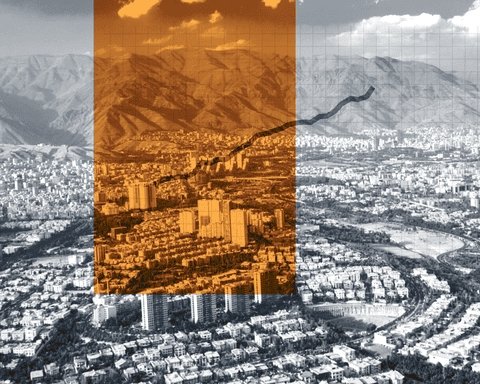
In the capital, Tehran, water levels in major reservoirs have dropped to alarming lows. The city’s three primary dams are reported to be at critical capacity, prompting authorities to consider suspending all construction activities for up to two years. Public appeals for a 25% reduction in water usage have so far yielded limited results.
The situation is particularly acute in Isfahan, where land subsidence has damaged infrastructure, including metro stations, schools, and historical sites. Local officials describe the subsidence as an ongoing disaster, comparing it to a “volcano” rather than a one-time event. Unauthorized wells and excessive groundwater extraction are identified as key contributors to the problem.
Lake Urmia, once the largest lake in the Middle East, now stands on the brink of disappearance. Water levels have receded dramatically, with current depths measuring only about half a meter. Researchers warn that the lake may have already passed a point of no return, with serious implications for public health and regional climate conditions. The loss of the lake could lead to increased temperatures, salt storms, and population displacement.
Agriculture accounts for nearly 90% of Iran’s water consumption, yet contributes only a fraction to the national economy. Efforts are underway to shift farming away from water-intensive crops such as rice and watermelon, though such transitions pose social and economic challenges. Many farmers rely on traditional practices and face limited alternatives for income.
Government initiatives aim to modernize water management, including the promotion of more efficient irrigation systems and the relocation of water-intensive industries to coastal areas. There is also growing emphasis on renewable energy, with targets set to significantly expand solar and wind capacity in the coming years.
Despite these efforts, the scale and speed of environmental change present formidable obstacles. Rising temperatures and declining rainfall are compounding pressures on already strained water systems. As one official noted, “We have no choice but to change our methods—our survival depends on it.”