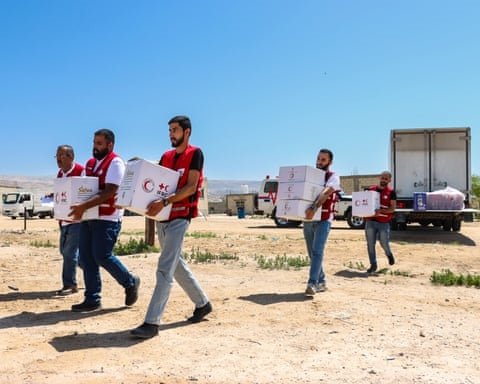
Humanitarian workers are facing unprecedented levels of violence worldwide, with 2024 marking the deadliest year on record for aid personnel. At least 385 workers lost their lives across 20 countries, and current trends indicate 2025 may prove equally devastating.
The crisis extends beyond high-profile conflicts. Neutral symbols like the Red Cross and Red Crescent, once universally recognized as protection emblems, are increasingly becoming targets rather than shields. While international aid worker deaths generate headlines, over 96% of casualties are local staff and volunteers whose sacrifices often go unnoticed.
Recent tragedies illustrate the scope of the problem. In Gaza, 31 emergency workers with the Palestine Red Crescent Society have been killed since October 2023, including eight ambulance workers who were wearing their distinctive uniforms when attacked. The International Federation of Red Cross and Red Crescent Societies has documented similar losses among its teams in Israel, Sudan, Ethiopia, and the Democratic Republic of Congo.
In response to this escalating crisis, a new international declaration was formally introduced at the United Nations General Assembly. The agreement commits signatory nations to conduct thorough investigations into attacks on humanitarian personnel and utilize legal mechanisms to hold perpetrators accountable. It also addresses critical issues including the criminalization of aid work, harassment of relief workers, and the spread of misinformation that endangers humanitarian operations.
The declaration represents months of collaborative effort between governments and humanitarian organizations. A coalition of committed nations will now work to promote global implementation of these protective measures.
This initiative comes at a crucial moment, as the culture of impunity surrounding attacks on aid workers threatens the very foundation of international humanitarian law. Those who dedicate their lives to helping others in crisis situations deserve protection, not becoming casualties themselves. The international community now faces a critical test of its commitment to safeguarding humanitarian principles and ensuring aid can reach those who need it most.