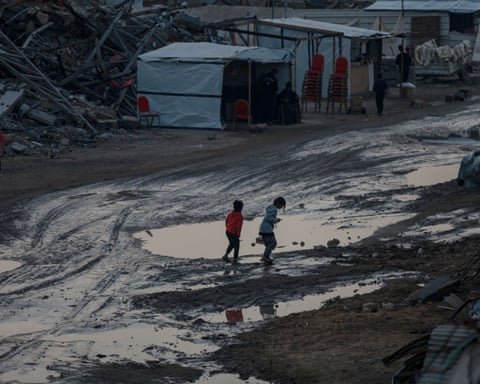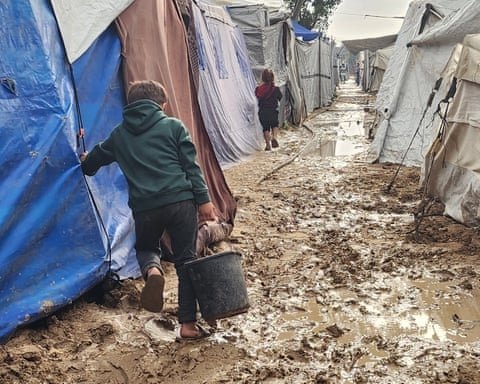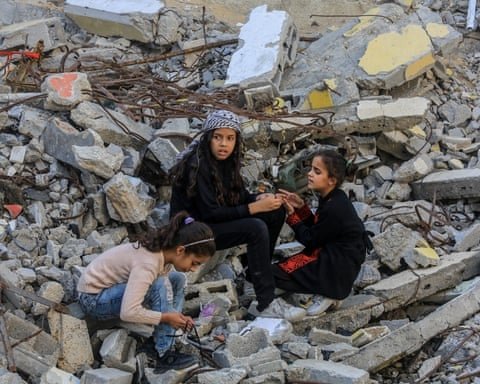

As global leaders convene for high-level diplomatic meetings, they face an urgent humanitarian test in Gaza where famine has been officially declared for the first time in the Middle East. Children are suffering from severe malnutrition while essential supplies remain blocked at border crossings, creating a crisis that demands immediate international action.
The current restrictions on humanitarian access echo patterns established nearly two decades ago. Historical precedent demonstrates that international mechanisms can overcome political barriers to deliver life-saving assistance. During the Syrian conflict, cross-border operations enabled aid delivery without government consent. In Sudan, negotiated access allowed humanitarian organizations to reach civilians across conflict lines. Following natural disasters in Southeast Asia, regional coordination mechanisms successfully bypassed initial government resistance.
The Rafah crossing between Egypt and Gaza represents the only viable route for large-scale humanitarian access operating outside current restrictions. However, movement through this critical passage has effectively halted, leaving aid convoys stranded and medical evacuations blocked.
An internationally mandated humanitarian corridor, operating in close cooperation with Egypt and managed by neutral organizations, could transform this situation. Such a mechanism would require international management on both sides of the border, upgraded infrastructure for efficient supply movement, and transparent oversight systems. This approach would uphold fundamental humanitarian principles of humanity, neutrality and independence while enabling Palestinians to remain in their homeland with dignity.
The systematic denial of basic necessities has created unprecedented suffering. Healthcare and education systems have collapsed amid widespread destruction of infrastructure. The international community’s continued reliance on diplomatic persuasion alone has proven inadequate against persistent restrictions.
With millions trapped under siege and facing starvation, the time for incremental measures has passed. The establishment of an independent cross-border humanitarian mechanism represents the most viable solution to prevent further loss of life. Global leaders must demonstrate the same resolve shown in previous international crises by creating a functional lifeline for Gaza’s civilian population.