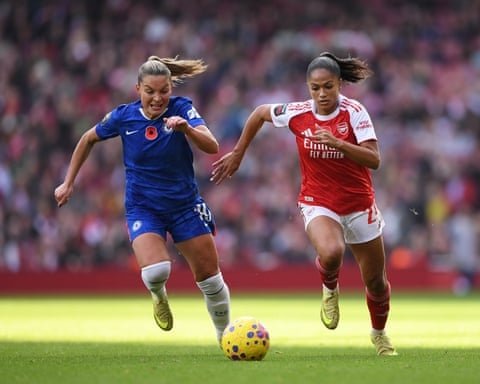
A high-profile women’s football match between Arsenal and Chelsea has drawn attention to potential scheduling issues affecting television viewership. The recent fixture attracted approximately 71,000 viewers across Sky Sports channels, significantly lower than the 732,000 who watched the same teams compete last season.
The match was broadcast at noon on a Saturday, a time slot that appears to be presenting challenges for viewer engagement. This season, nearly 75% of televised Women’s Super League matches are scheduled for late morning or early afternoon kick-offs, representing a substantial shift from the traditional Sunday afternoon timing previously favored by the league.
Industry observers note several factors potentially contributing to the lower viewership figures. The Saturday lunchtime slot often coincides with youth and amateur football matches across the country, limiting availability for both live attendance and television viewing. Additionally, this timing frequently overlaps with men’s Premier League and EFL fixtures, creating direct competition for football audiences.
The current broadcasting arrangement designates Sunday noon as the primary slot for televised matches, with an increased number of Saturday lunchtime games compared to previous seasons. While broadcasters have moved away from Sunday evening matches due to concerns from match-going supporters, those later slots had previously demonstrated stronger television audience numbers.
Despite the recent viewership figures for the Arsenal-Chelsea match, broadcast data indicates some positive trends. The 71,000 audience represented a 30% increase compared to similar Saturday noon fixtures from the previous season. Additionally, metrics measuring shorter viewing periods and digital engagement show encouraging growth across both broadcaster and league platforms.
The scheduling situation comes amid broader questions about maintaining momentum following international tournament success. While women’s football experienced significant growth after England’s European Championship victory in 2022, early indicators suggest the pattern may not be repeating following their subsequent tournament success.
League officials and broadcast partners continue to monitor audience patterns as they balance the needs of television viewers with those attending matches in person. The evolving broadcast landscape presents ongoing challenges for maximizing exposure while maintaining accessibility for all supporters.