For over a year, a major city in Sudan’s Darfur region has been trapped in a relentless siege, creating a humanitarian crisis of staggering proportions. The conflict has transformed urban life into a daily struggle for survival, where the basic necessities of food, water, and safety have become luxuries few can afford.
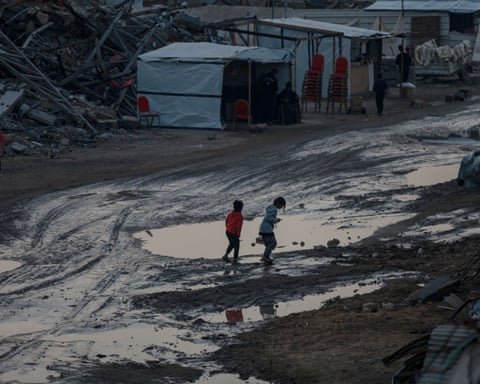
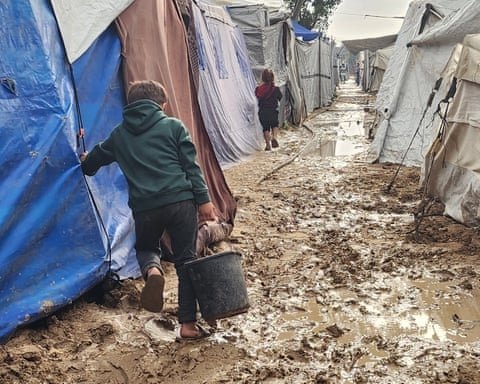
Residents describe a life dictated by the rhythms of warfare. From the early hours of the morning, the sound of shelling becomes a grimly predictable backdrop. Civilians have been forced to adapt, digging elaborate trench systems that now weave through residential neighborhoods. These muddy, often flooded, ditches serve as the primary refuge from the bombardment, with families spending long hours huddled underground.
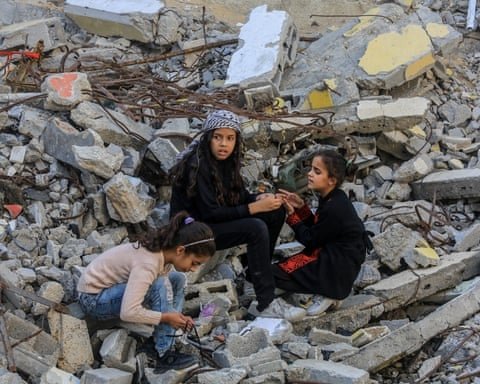
The dangers are constant. The simple act of moving from a home to a trench can be fatal, with many casualties occurring during these desperate sprints for cover. The psychological toll is immense, with residents living in a state of perpetual fear. The recent introduction of drone surveillance has added a new layer of terror, their distinctive hum signaling an unseen and unpredictable threat from above.
Escape from the city is a perilous and prohibitively expensive endeavor. The blockade has left only a single, treacherous route out, heavily monitored by armed checkpoints. The cost of fleeing has skyrocketed, with reports indicating that hiring a simple donkey cart for the journey now exceeds the price of a new automobile. For men and boys, the journey is near impossible, leaving them with the grim choice of staying to fight or risking death on the road.
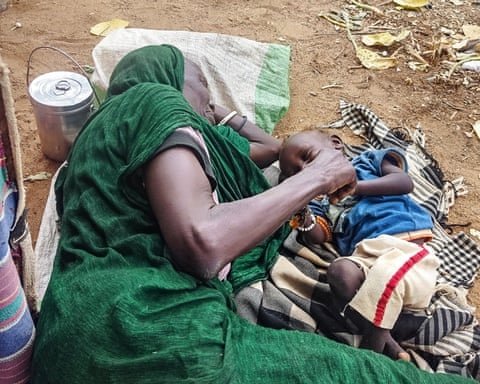
Inside the city, the situation is dire. Markets are barren, and the population faces severe food shortages. Staple goods have become unattainable for most, with prices soaring to hundreds of dollars for basic items like flour or millet. The average monthly income, for those who still receive one, is a fraction of what is needed to survive. Many families have been reduced to consuming residue from peanut shells, a substance typically used as animal feed.
Community-run kitchens provide a single daily meal for tens of thousands, but these operations are themselves under threat, having been targeted by shelling. Medical care is critically limited, with the last semi-functional hospital overwhelmed and often forced into making impossible triage decisions. Volunteers treat the wounded with little more than salt and scraps of cloth.
The city has become a deeply militarized zone, where the line between civilian and combatant has all but vanished. The conflict has evolved from rudimentary clashes into a sophisticated war, testing new arsenals in an urban landscape. The siege persists, sustained by external support, yet it also stands as one of the conflict’s most critical and unresolved fronts. The battle for this city is not merely military; it has become a defining struggle for the future of the region.