As international pressure on Israel intensifies, many citizens express growing concern about their country’s increasing isolation, while the government maintains its current course. The divide reflects deeper political fractures within Israeli society.
In communities like Sderot near Gaza, daily life continues despite global condemnation. “We must defend ourselves,” states Moshe Abutbul, a local teacher who describes his life as “good” despite the ongoing conflict. This sentiment echoes among residents who have long faced security threats.
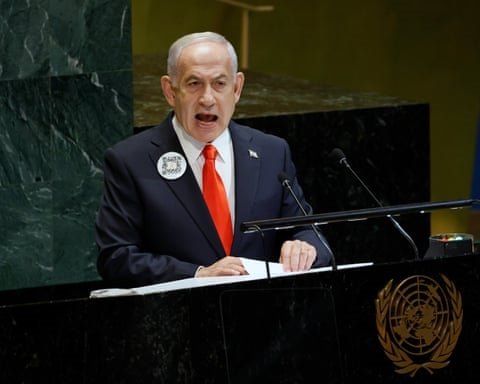
The government’s position was recently underscored during a United Nations address where the prime minister dismissed international recognition of Palestinian statehood as “rewarding terrorism.” The speech occurred before a partially empty hall after numerous diplomats walked out.
Recent polling indicates significant public anxiety about travel restrictions and global backlash. Cultural and academic exchanges face mounting boycotts, with potential exclusion from international events like the Eurovision Song Contest. Economic partnerships with European nations have also deteriorated, though formal sanctions remain limited.
Political analysts note that international pressure appears to reinforce the government’s position rather than prompting policy changes. “Isolation primarily affects those already critical of government actions,” observes one researcher, noting that the political base remains largely unmoved by foreign criticism.
The political landscape remains deeply divided, with approximately half the population supporting continued military operations while others prioritize hostage negotiations. The comparison to South Africa’s apartheid era surfaces occasionally, though analysts caution the situations differ significantly.
Despite economic resilience fueled by government spending, observers note a shifting global tide. “Israelis remain traumatized by past attacks,” comments an international affairs expert, “but must recognize the changing international environment.”
With elections required within the next year, the nation’s direction remains uncertain as citizens weigh security concerns against growing global isolation.