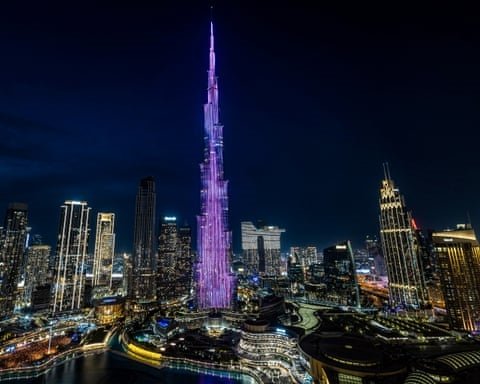
Beneath the shimmering skyline and luxury veneer of Dubai lies a starkly different reality. This city, often held up as a model of progress, operates on a foundation of profound inequality and social control, a cautionary tale for any nation tempted by its superficial appeal.
The city’s transformation into a global hub was no accident of organic growth. It represents a calculated strategy of capital accumulation, where land reclamation and speculative real estate serve to financialize urban space and concentrate wealth. The iconic malls and artificial islands are use-values created almost exclusively for a global elite.
This glittering surface conceals a deeply segregated underclass. A vast migrant workforce lives in precarious conditions, a modern reserve army of labour that powers the economy yet remains largely invisible. Their plight stands in brutal contrast to the palatial stables for thoroughbreds and the empty luxury apartments held as speculative assets while rents skyrocket for residents.
Public life in the city is subordinated to consumption and spectacle. Democratic governance and collective claims over urban space are absent, with dissent and unionisation tightly restricted. The urban fabric is deliberately engineered to attract global capital while managing labour in a way that keeps the fundamental contradictions of this model out of sight.
Ultimately, this is a city built as a class project. It converts oil wealth and speculative finance into monumental infrastructure to secure future accumulation, while externalising the immense social and ecological costs onto invisible populations. Its promise of limitless growth is a mirage, offering a powerful warning about the planetary limits and human cost of such a development path.