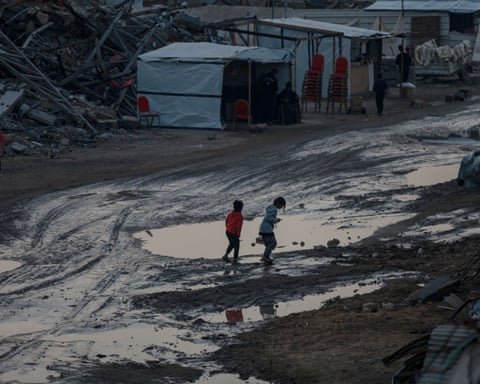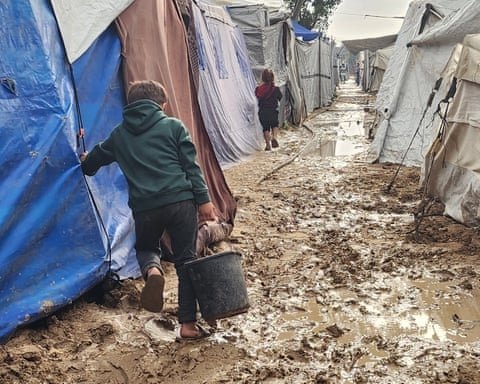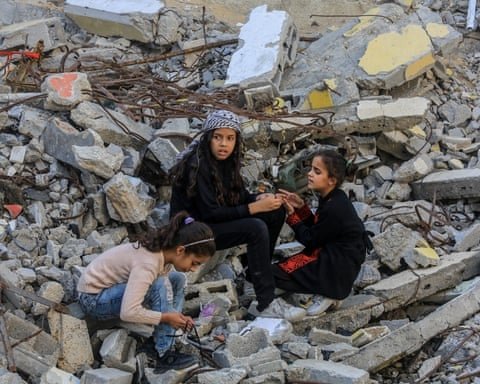

A proposal to impose an external administration on Gaza, led by figures from the United States and United Kingdom, represents a dangerous and unworkable approach. This plan, which echoes the failed model of the Coalition Provisional Authority in Iraq, is fundamentally disconnected from the realities on the ground and the rights of the people it claims to help.
The core failure of such a scheme is its lack of legitimacy. Governance imposed from the outside, regardless of the rhetoric of economic development that accompanies it, is a colonialist venture in a modern guise. It operates on the false premise that stability can be achieved without the consent and direct involvement of the local population. History has repeatedly shown that such transplants are rejected, leading not to peace but to a predictable cycle of resentment and violence.
The motivations behind this particular plan appear to be as much about economic opportunity as they are about politics. For some of its architects, whose backgrounds lie in real estate development, Gaza is not seen as a homeland with a rich cultural history. Instead, it is viewed as prime coastal property, a blank slate for lucrative redevelopment following its devastation. In this vision, the Palestinian people and their political aspirations become inconvenient obstacles to a profitable enterprise.
While the appeal of rapid reconstruction is understandable amid such widespread destruction, this path is a moral and strategic dead end. An alternative framework, championed by regional powers, offers a more viable solution. This approach calls for a Palestinian-led interim government to oversee reconstruction, paving the way for the restoration of legitimate, democratic Palestinian governance.
This alternative may not promise the same windfall profits for foreign investors, nor the political rehabilitation for international figures seeking a return to power. However, it is the only path that respects the fundamental principle of self-determination. A future for Gaza cannot be built upon the graves of its people, nor can a lasting peace be founded by ignoring the aspirations of those who remain. The world must learn from recent history and reject this recycled model of failure.