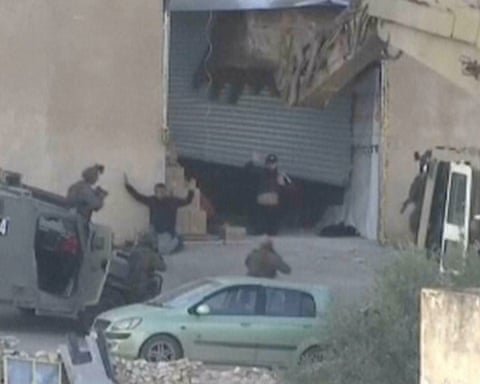
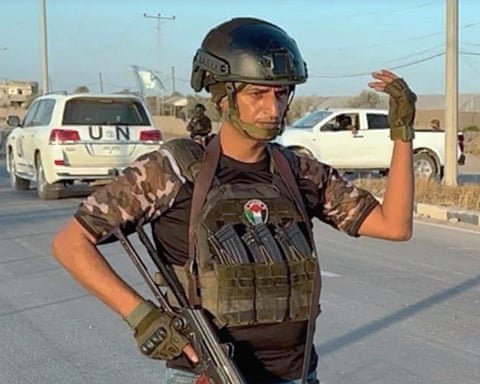
A proliferation of new armed groups, reportedly receiving support from the Israeli military, is creating a volatile security vacuum across the Gaza Strip, complicating efforts to establish order under any future peace arrangement.
Numerous local militias have emerged in recent months, positioning themselves as alternatives to the Hamas authorities. These groups are said to be receiving weapons and training, a strategy that appears to have accelerated in recent weeks. Among them are the so-called Popular Forces, active in southern Gaza, and other newly formed units operating in areas like Khan Younis and Gaza City.
The leader of one such faction, Hossam al-Astal, stated that his objective is to protect his community, even if it means cooperating with former adversaries. He emphasized that alternatives to Hamas now exist, a sentiment echoed by other militia commanders.
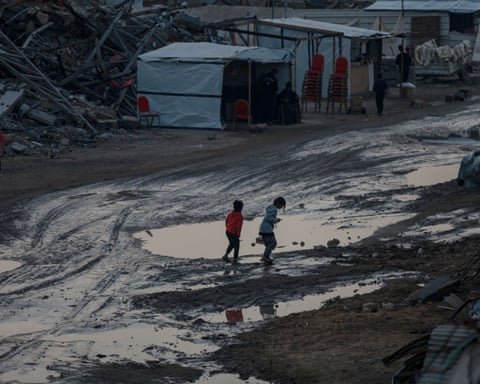
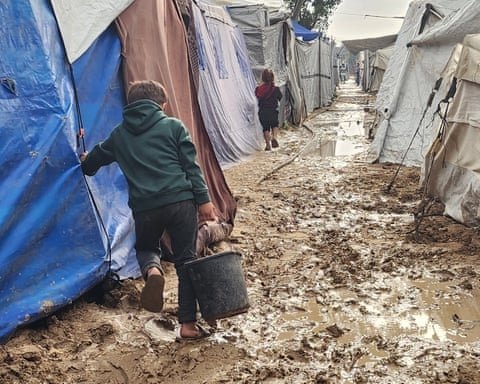
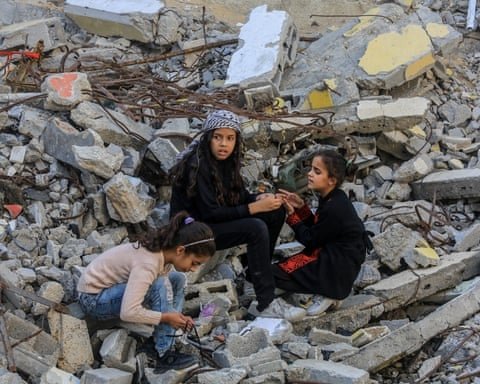
This fracturing of authority has severely hampered humanitarian operations. Aid agencies report dealing with a chaotic patchwork of armed actors, from powerful families to formalized groups, instead of a single governing body. Law and order are deteriorating, with widespread reports of looting, extortion, and violent clashes between rival factions.
Independent conflict monitors have documented hundreds of violent incidents between Palestinians since late 2023, resulting in significant casualties. These incidents spiked following the collapse of a ceasefire earlier this year.
Hamas has reportedly formed special units to combat these new militias and those it labels as collaborators, leading to further violence, including ambushes and public executions.
While some Israeli security figures have suggested exploiting societal divisions within Gaza to build local forces opposed to Hamas, analysts warn that empowering such groups without strict oversight risks accelerating internal conflict and strengthening criminal elements. This could create a deeply unstable environment, potentially undermining the deployment of any international stabilization force envisioned in proposed peace plans.
The situation presents a fundamental challenge: the very groups being cultivated to counter Hamas may be contributing to a collapse of civil order that could make any long-term governance plan unworkable.