A new framework for ending the conflict in Gaza has drawn cautious approval from numerous international governments, though significant skepticism persists among Palestinian residents. The proposal, jointly presented by former U.S. President Donald Trump and Israeli Prime Minister Benjamin Netanyahu, outlines a multi-phase approach to halt hostilities.
The plan’s key provisions include an immediate cessation of fighting, a mutual exchange of detainees, a phased Israeli military withdrawal from Gaza, the disarmament of Hamas, and the establishment of an interim administration under international supervision. However, conflicting statements emerged shortly after its announcement, with Netanyahu clarifying that Israeli forces would maintain a presence in significant portions of the territory.
International response has been notably varied. Several Middle Eastern and European nations have expressed general support for the initiative as a potential pathway to peace. Leaders from Saudi Arabia, Jordan, the United Arab Emirates, and Qatar have indicated willingness to collaborate on implementation efforts. European officials, including those from the United Kingdom, France, and Germany, have similarly endorsed the proposal while urging all parties to engage constructively.
Despite this international backing, the plan faces substantial hurdles. Hamas’s position remains unclear, with the group absent from recent negotiations. The proposal’s requirement for Hamas to relinquish governance of Gaza presents a particular obstacle that analysts suggest may prove difficult to overcome.
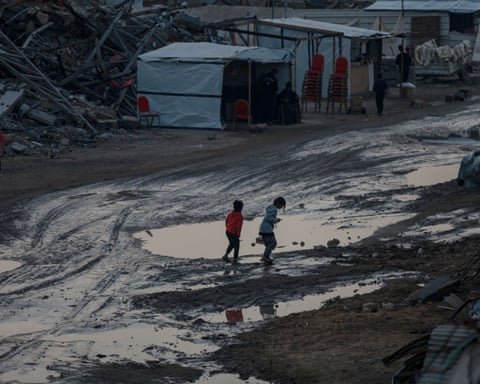
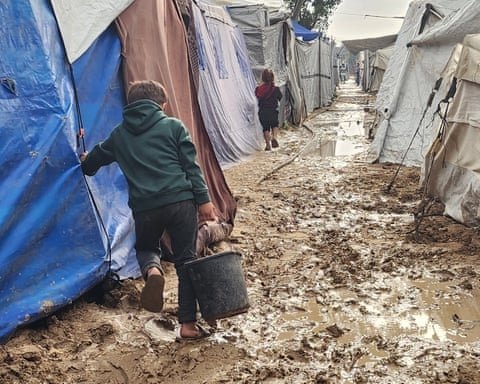
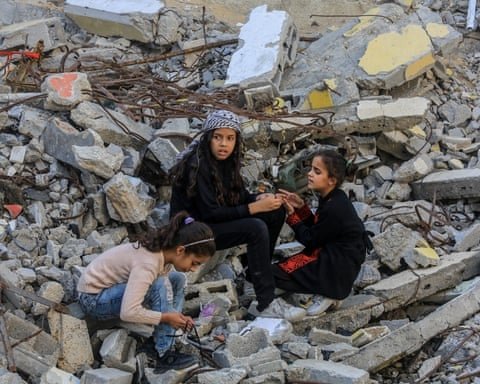
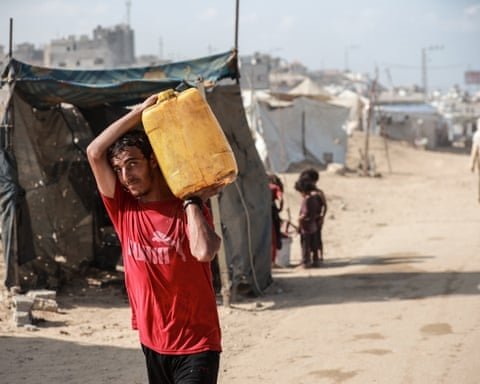
Among Gaza’s civilian population, reactions reflect deep-seated wariness born of prolonged conflict. “We’ve seen many proposals come and go while our suffering continues,” said one resident, echoing sentiments expressed by others who question the plan’s viability. Another added, “Any agreement that doesn’t include solid guarantees for ending the war permanently is just more empty words.”
The proposed transitional authority, which would include international figures, has also generated debate. Some Palestinian political figures have expressed reservations about certain proposed international participants, citing historical concerns.
In Israel, the proposal has generated cautious optimism among some citizens, particularly families of those held captive, who hope it might finally bring their loved ones home. Yet even there, hopes are tempered by previous disappointments in negotiations.
As diplomatic efforts continue, the plan’s ultimate success appears to hinge on navigating complex political realities and building trust among wary populations who have endured nearly two years of violence. The coming days are expected to reveal whether this latest initiative can overcome the substantial challenges that have thwarted previous peace efforts.