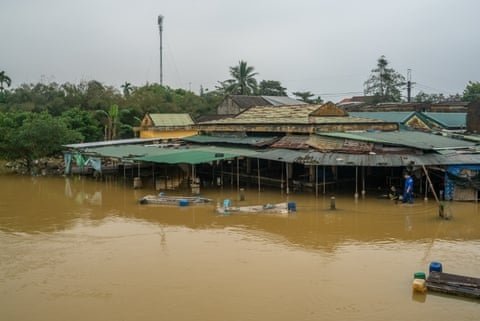
The death toll from catastrophic flooding in Vietnam has climbed to 90, with an additional 12 individuals reported missing, according to a national environmental ministry statement issued Sunday. The disaster, triggered by relentless rainfall and subsequent landslides, has inflicted severe damage across the south-central region.
The mountainous province of Dak Lak has borne the heaviest brunt of the tragedy, accounting for more than 60 of the fatalities. Tens of thousands of homes in the province have been inundated by floodwaters.
Unprecedented rainfall, exceeding 1,900 millimeters in some areas over the past week, has led to rivers swelling to record-breaking levels. Officials confirmed that the Ba River in Dak Lak surpassed a historical high set in 1993, while the Cai River in the neighboring Khánh Hòa province also reached a new peak.
The widespread flooding has crippled infrastructure and necessitated large-scale rescue operations. Reports indicate that military, police, and security forces have been mobilized, using boats to reach stranded residents. In dramatic scenes, rescuers were forced to break through roofs and windows to evacuate people trapped in their homes. The crisis extended to hospitals, where in one coastal facility, medical staff and patients reportedly subsisted on instant noodles for three days before aid arrived.
The economic impact is substantial, with preliminary government estimates placing the cost at nearly 9 trillion Vietnamese dong. The disaster has submerged over 235,000 houses and damaged nearly 80,000 hectares of agricultural land, a significant blow to a region known as a major coffee production belt.
This event is the latest in a series of severe weather incidents to hit the country this year. National data shows that from January to October, extreme weather has resulted in 279 fatalities or disappearances and caused economic damage exceeding two billion dollars. While the region regularly experiences heavy seasonal rains, the increasing frequency and intensity of such events are consistent with broader global climate patterns.