A prominent Palestinian human rights organization is facing severe operational challenges after being targeted by U.S. sanctions, with its director expressing profound disappointment over the silence from former international partners.
The group, Al-Haq, which is based in the West Bank and has documented human rights conditions for decades, was designated for sanctions by the U.S. government in September. The move has effectively cut the organization off from the global financial system and silenced its digital presence.
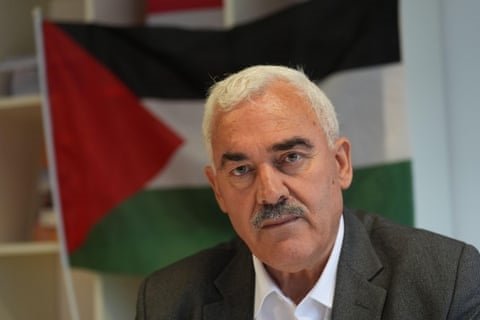
According to the group’s director, Shawan Jabarin, the consequences have been immediate and devastating. Bank accounts were closed, leaving staff to work without salaries. Major tech platforms, including YouTube, have removed the organization’s content. Perhaps most disheartening, he said, has been the retreat of U.S.-based human rights groups and funders, who have ceased collaboration for fear of attracting punitive measures from American authorities.
“There is a deep pain in my heart,” Jabarin stated, referring to the withdrawal of support. He called on international civil society to take a more courageous stand, arguing that defending human rights sometimes requires challenging unjust laws. “To stand for justice does not mean you must obey draconian orders. You must fight back by all available means,” he said.
The sanctions were officially levied due to the organization’s support for an International Criminal Court (ICC) investigation. The U.S., which does not recognize the court’s jurisdiction over itself or its allies, has characterized the ICC’s actions as an overreach of authority.
However, observers note that the move appears to be part of a broader pattern of pressure against groups critical of certain foreign policies, particularly those advocating for Palestinian rights. This campaign has also included investigations into major philanthropic networks and directives to target organizations accused of promoting “political violence.”
For Al-Haq, the practical impact is a fight for survival. Without access to banking services, the organization cannot receive donations or pay its employees. While some staff continue to work voluntarily, supported by a network of former colleagues, the path forward is fraught with difficulty.
U.S.-based non-profits that once partnered with the group now describe an environment of extreme risk aversion. Engaging with a sanctioned entity can expose organizations and their staff to significant legal and financial penalties, including the potential loss of tax-exempt status or even criminal charges.
One funder aligned with groups resisting authoritarianism described the situation as “devastating,” noting that while there is a strong desire to push back, the community is grappling with how to mount an effective and safe strategic response.
Al-Haq has been documenting alleged human rights violations for fifty years. It was previously designated as a “terrorist organization” by another government—a claim reportedly unsupported by concrete evidence and later met with skepticism by some international agencies and a subsequent U.S. administration.
Jabarin dismisses the recent sanctions as a “political attack” aimed at silencing calls for accountability. He vows that his organization will continue its work, emphasizing that its submissions to international bodies are entirely legal and peaceful.
He framed the current global climate as a fundamental conflict between the “rule of the jungle” and the “rule of law,” asserting that the response from the international community to this pressure will be a defining test of conscience. “They want to silence any voice speaking about the rights of Palestinians,” he said. “We will continue our work. We will continue fighting for justice.”