A new analysis of international climate finance reveals significant imbalances in how funds intended to combat global warming are distributed, with wealthy nations and major economies receiving substantial sums while the most vulnerable countries struggle with mounting debt.
The investigation, based on UN submissions and OECD data from 2021-2022, shows that only about one-fifth of climate funding reached the world’s 44 least developed countries. Many of these nations received more than two-thirds of their climate assistance as loans rather than grants, creating additional financial burdens for countries already facing economic challenges.
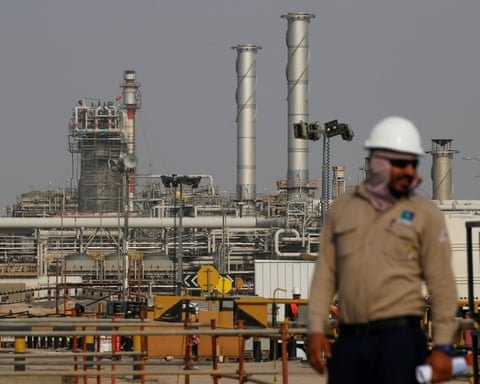
Notably, countries with substantial economic resources including China, Saudi Arabia, and the United Arab Emirates received significant climate financing. The UAE, a major fossil fuel exporter with a high per capita GDP, obtained over $1 billion in climate loans from Japan for energy and waste management projects. Saudi Arabia received approximately $328 million in similar financing.
The distribution system lacks centralized oversight, allowing individual countries to direct funds according to political interests rather than climate need. This has resulted in middle-income nations receiving substantially more support than the poorest countries relative to their populations.
Financial experts warn that the loan-heavy approach to climate finance creates additional problems for struggling economies. Data indicates that the poorest nations collectively paid nearly $91.3 billion in external debt repayments during the same period—three times their climate finance allocations. Many countries now face the prospect of taking on new debt simply to service existing obligations.
The current $100 billion annual climate finance target is being replaced by more ambitious goals, with developed countries expected to provide $300 billion yearly by 2035. However, advocates emphasize that without fundamental reforms to make funding more accessible and equitable, the system will continue to disadvantage those most affected by climate change despite contributing least to the problem.
The situation highlights ongoing tensions in international climate negotiations, particularly regarding which countries should qualify as developing nations eligible for climate assistance. Several nations that have become wealthy with large carbon footprints over recent decades continue to be classified alongside genuinely poor countries, creating disparities in responsibility and resource allocation.