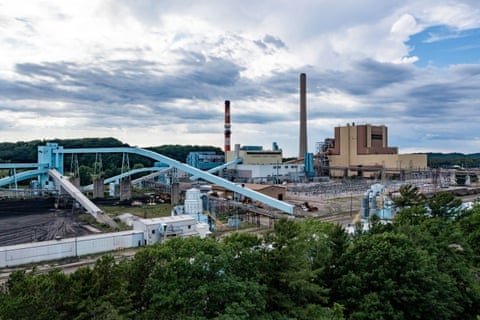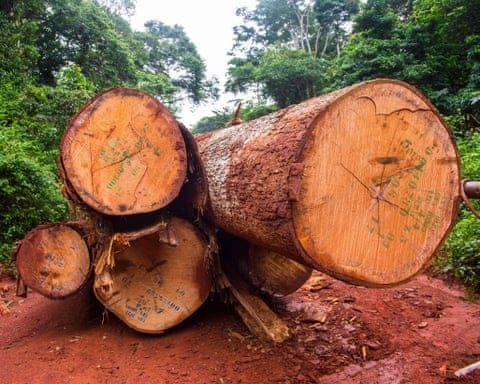
A significant presence of industrial agriculture representatives has been documented at the ongoing UN climate conference in Brazil’s Amazon region, where their sector remains the primary driver of deforestation. Current data reveals over 300 lobbyists advocating for industrial farming interests at the negotiations, marking a 14% increase from the previous year’s attendance.
These delegates represent an industry responsible for approximately one-third of global greenhouse gas emissions. Scientific consensus indicates that without substantial transformation of food production and consumption patterns, achieving international climate targets will remain impossible.
Seventy-seven industry representatives gained access through official country delegations, with six obtaining privileged negotiating passes. This level of participation exceeds the entire delegation of Canada, the world’s tenth largest economy, which sent 220 representatives.
Meat and dairy interests constitute the largest contingent with 72 delegates, nearly double Jamaica’s representation. The Caribbean nation recently suffered catastrophic damage from Hurricane Melissa, a storm scientists attribute to climate change. India, facing severe climate challenges across its population of 1.45 billion, sent 87 negotiators.
Pesticide and fertilizer manufacturers account for 60 delegates, while biofuel representatives number 38—a 138% surge from the previous year. The world’s largest meat company, responsible for nearly a quarter of the sector’s emissions, has eight representatives including its chief executive.
Agricultural lobbyists are positioned to influence multiple negotiation topics, including biofuel policy and climate finance distribution. Brazil has proposed quadrupling biofuel usage, though recent studies indicate some biofuels may generate higher emissions than fossil fuels due to land conversion impacts.
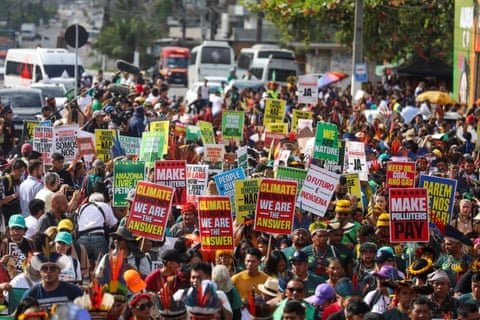
Critics argue that industrial agriculture’s growing influence undermines climate negotiations. Indigenous leaders from affected regions describe the situation as “violence” against forest communities, while climate justice advocates characterize the talks as “hostage negotiations” with polluters controlling the dialogue.
Between 2019 and 2023, agribusiness interests spent over half a billion dollars lobbying U.S. lawmakers alone. Climate advocates now call for restricting corporate influence in climate talks, arguing that sustainable food systems cannot develop while industry representatives dominate policy discussions.
Corporate representatives defend their participation as necessary for developing practical climate solutions, emphasizing transparency and commitment to addressing the climate crisis. Several major agricultural organizations and the summit presidency declined to comment on the findings.