
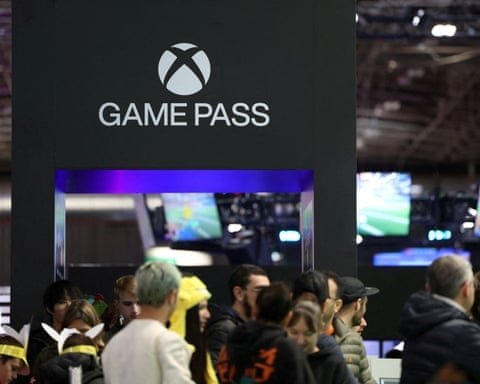
Microsoft has announced a significant price increase for its Xbox Game Pass Ultimate subscription, raising the monthly cost from £14.99 to £22.99 in key markets including the UK and United States. This nearly 50% price adjustment represents a pivotal moment for the gaming industry’s ongoing experimentation with subscription services.
The move comes as Microsoft seeks to balance the economics of its gaming division following major investments, including the $70 billion acquisition of Activision Blizzard. Industry analysis suggests that while Game Pass has proven profitable, it has impacted traditional game sales for major titles. High-profile releases like Halo Infinite and Starfield reportedly underperformed in conventional sales channels despite their availability through the subscription service.
The gaming landscape has largely resisted the subscription model that transformed music, television, and film industries. Unlike streaming services in other entertainment sectors, gaming has maintained strong premium sales alongside free-to-play models that generate substantial revenue through in-game purchases. Industry data indicates approximately 85% of gaming revenue originates from free-to-play titles, particularly in markets like China.
Microsoft’s strategy appears focused on expanding beyond console sales, where Xbox has trailed competitors Nintendo and PlayStation. The company has increasingly emphasized software and services, releasing its games on multiple platforms including PC and rival consoles while building its subscription library.
The price increase raises broader questions about the future of gaming consumption. Some industry observers worry that subscription models could follow the pattern seen in television streaming, where proliferating services and rising costs eventually burden consumers. There are also concerns about how such models might affect developers’ ability to fund ambitious projects if traditional sales decline.
Despite these concerns, market evidence suggests different business models can coexist successfully. The gaming industry has maintained stable premium game sales while free-to-play titles continue expanding the overall audience. For dedicated players who consume multiple games annually, subscription services may still offer value even at higher price points.
The evolution of gaming subscriptions remains uncertain, but Microsoft’s pricing decision indicates a maturation of the model as companies seek sustainable returns on substantial content investments.