
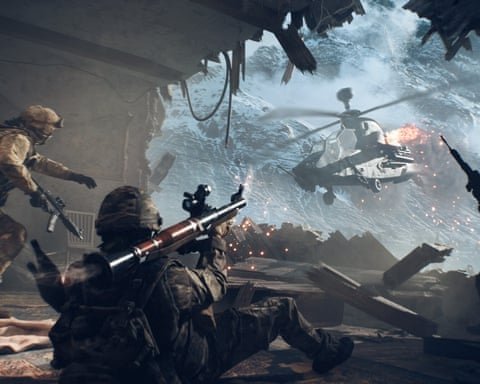
The latest entry in the long-running Battlefield franchise has arrived, delivering the large-scale multiplayer combat the series is known for. Yet its single-player campaign represents a significant missed opportunity. Rather than offering a fresh perspective, it retreats into well-worn tropes of modern military fiction.
Players step into the roles of highly skilled operatives confronting familiar antagonists—rogue military units, shadowy organizations, and global threats. The narrative offers little in the way of originality or emotional depth, relying on archetypal characters and relentless action set pieces. In an era where games have explored the moral and psychological complexities of conflict, this campaign feels notably safe and uninspired.
Other titles have demonstrated that military shooters can tackle weightier themes. Games like Spec Ops: The Line and Valiant Hearts wove compelling, thought-provoking stories into their gameplay, challenging players to reflect on the consequences of war. By contrast, Battlefield 6’s campaign adheres to a predictable template, prioritizing spectacle over substance.
The gaming industry’s current climate often favors established formulas over creative risk, particularly within big-budget releases. Yet audiences have shown an appetite for inventive experiences, as seen in the success of unconventional titles in recent years. There is clearly room—and demand—for narratives that engage with the complexities of contemporary global conflicts.
While Battlefield 6 excels in multiplayer mayhem, its single-player offering underscores a broader creative hesitation. In a medium capable of profound storytelling, players deserve campaigns that are as memorable as they are playable.