Sudan is enduring a devastating internal war that has shattered lives and divided the country, yet the world’s attention remains alarmingly scarce. Now in its third year, the fighting pits the national army against a powerful paramilitary force in a struggle that is anything but a conventional civil war.
The roots of the crisis run deep. For decades, political and economic control in Sudan was concentrated in the hands of a small elite, while outlying regions like Darfur faced systemic neglect and violence. Long-standing ethnic tensions and competition over resources fueled local conflicts, enabling the rise of armed groups. Among them, the Rapid Support Forces (RSF) evolved from militia units into a formalized military power—now locked in a brutal contest with the Sudanese Armed Forces (SAF).
A more immediate trigger came with the 2019 popular uprising that toppled longtime ruler Omar al-Bashir. The revolution initially promised a transition to civilian rule, but hopes were dashed when the army and the RSF turned against pro-democracy forces, and eventually against each other. What followed was not a war among civilians, but a fight between two armed entities over who would dominate Sudan’s future.
International narratives often miscast the conflict. It is not a forgotten war—it is widely documented, yet largely ignored. Nor is it a balanced proxy war, though outside powers have played a role. The United Arab Emirates, in particular, has been accused of funneling money and weapons to the RSF, seeking to extend its influence in a strategically vital, resource-rich nation.
At its core, the war represents an existential clash: the national army, defender of the old order, versus a militarized rival that built its strength outside the state and now seeks to claim it.
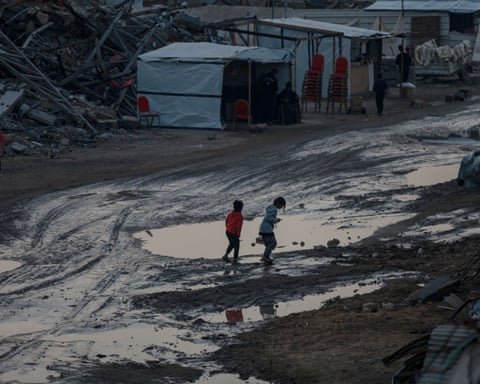
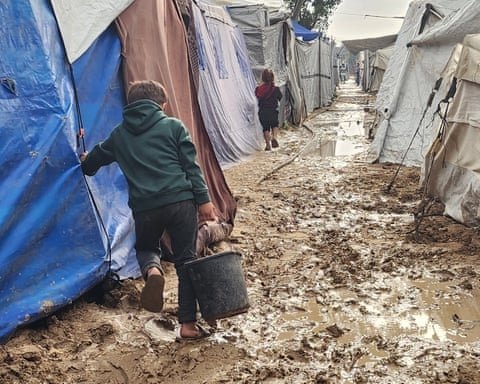
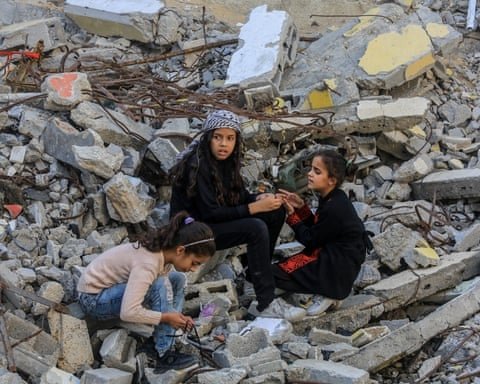
The human consequences defy comprehension. Millions have been displaced, and hundreds of thousands are feared dead. Sexual violence, famine, and the systematic destruction of cities have become commonplace. In Darfur, the RSF has been accused of carrying out mass killings against non-Arab communities, reopening wounds from a genocide two decades earlier.
Last month, the fall of El Fasher—the army’s last major stronghold in the region—cemented the country’s division into eastern and western spheres of control. With neither side able to deliver a decisive blow, and foreign powers reluctant to intervene, the conflict has settled into a grim stalemate.
For those who have lost homes and loved ones, the idea of return feels increasingly distant. Yet amid the devastation, there remains a stubborn hope—that global awareness will grow, and that what is now a distant tragedy will become an urgent priority before Sudan is lost entirely.