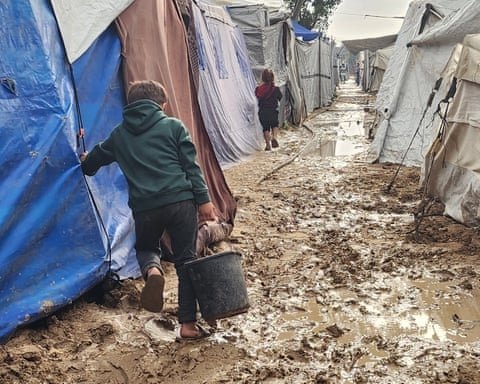
Hundreds of thousands of displaced Palestinians are confronting the onset of a harsh winter season with inadequate shelter and scarce supplies following the season’s first major storm. Families living in coastal tent encampments report their makeshift homes collapsing under heavy rain and wind, soaking their few remaining possessions.
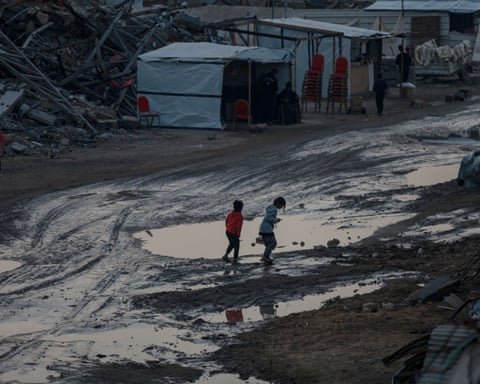
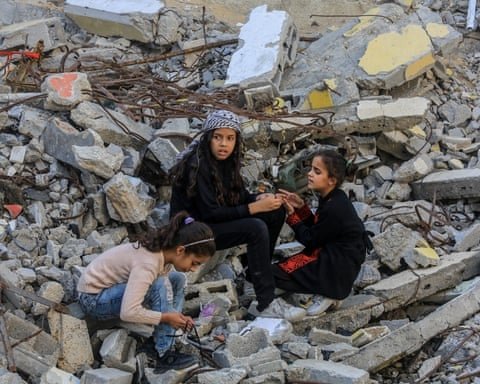
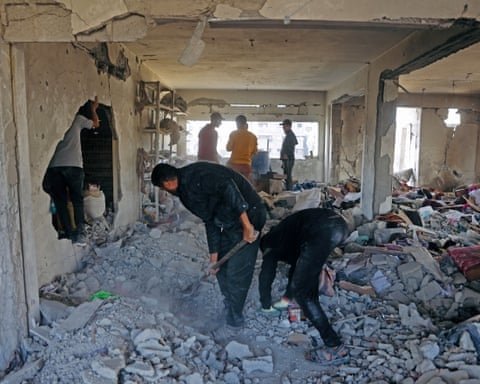
With most residential buildings destroyed or located in restricted zones, proper housing remains the most critical need. Recent storms have left tents scattered and flooded, with seawater surging into living areas. The lack of basic infrastructure and drainage has created standing water around shelters, worsening already difficult sanitary conditions.
Food security remains precarious despite increased aid shipments. Many families report relying primarily on canned goods and occasional meals from community kitchens, with market prices placing fresh food beyond reach for most. Clean water access is limited, requiring long journeys for collection.
Aid organizations report facing significant logistical challenges in delivering winter supplies, including restrictions on certain materials. While some humanitarian assistance is reaching the territory, officials describe the quantities as insufficient to meet overwhelming needs.
Healthcare workers note the rapid spread of respiratory illnesses and other health problems as temperatures drop. Overcrowding in camps and limited access to basic services are creating conditions ripe for disease outbreaks.
Many displaced residents express desperation as they face their third winter away from their homes. “We lack all winter essentials: no blankets, no rugs, no bedding,” said one elderly woman living in a coastal encampment. “Diseases have spread among us, and this is just at the start of winter.”
With temperatures expected to plummet further in coming weeks, those living in temporary shelters fear the worst is yet to come.