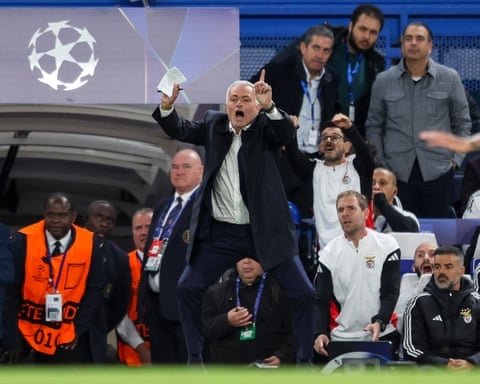
The flames flickered pitchside, the tinny UEFA anthem played, and necks craned in anticipation. Finally, he emerged onto the Stamford Bridge touchline like a long-lost character stepping from the mist, creating an atmosphere charged with electricity and nostalgia.
José Mourinho’s latest return to Chelsea carried a particular weight, perhaps because future visits might grow fewer, or because these early Champions League encounters often lack higher stakes beyond the three points. Chelsea’s workmanlike 1-0 victory would ultimately become just another autumn result, yet the occasion itself resonated with deeper meaning.
Before kickoff, Mourinho scarves decorated the Fulham Road like seasonal decorations, accompanied by stern-faced cardboard cutouts of the man himself. Supporters across various forums had spent days discussing the return of what many consider Chelsea’s foundational figure, the architect behind their transformation into a European powerhouse.
The performance began immediately. Mourinho made a theatrical entrance, emerging last from the tunnel and taking his seat with studied reserve. That restraint vanished once play started, with the manager springing to his feet, looking sharp in his tailored overcoat and open-collared shirt—every inch the charismatic figure commanding attention.
Throughout the evening, the crowd regularly chanted his name, receiving in return his characteristic gestures of acknowledgment. What unfolded was essentially watching a veteran showman thoroughly enjoying his moment. The contemporary Mourinho operates less as a traditional coach and more as a walking spectacle—a real-time event who understands the power of personality in modern football.
The match provided perfect staging for his theatrical instincts. When Enzo Fernández faced projectile cups from opposition supporters while preparing for a corner, Mourinho paraded along the touchline with hands raised in almost papal blessing—the peacemaker embracing the drama.
Beneath the spectacle lies the reality that Mourinho’s current team lacks the quality to compete at the highest level. Despite showing spirit after conceding an own goal, they never truly threatened Chelsea’s dominance. The tactical landscape has evolved, yet curiously swung back toward Mourinho’s preferred elements: physicality, set pieces, and aerial dominance.
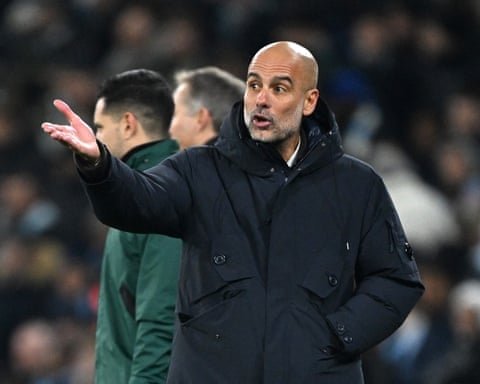
Whether he remains among football’s elite tacticians matters less than recognizing his enduring influence. While contemporaries like Pep Guardiola transformed tactical approaches, Mourinho mastered football’s psychological theater—weaponizing personality, creating narratives, and understanding spectacle as crucial components of the modern game.
His presence represents more than nostalgia; it embodies football’s evolution into entertainment product. He pioneered the coach as viral phenomenon, the original clips-generator whose moments transcend results. Younger audiences particularly connect with his authenticity and meme-worthy persona, from his early sharp-suited magnetism to his current cartel-boss aesthetic.
Mourinho’s enduring appeal taps into longing for a more vivid, less sanitized football era. His Chelsea tenure represented a specific moment—the club’s transformation under oligarch ownership during London’s financial boom years, when regulations felt distant and personalities loomed large.
Watching Chelsea’s current side labor under their meticulous, data-driven manager created striking contrast. Here stood everything modern club structures theoretically want—charisma, star power, audience magnetism—alongside everything they cannot control: towering ego, rebellious spirit, and relentless hunger for glory.
The fundamental question remains: would you rather watch the complex, compelling anti-hero wrestling with the game’s demons, or the technocrat with his tablet, managing players like stock assets in football’s evolution toward sanitized entertainment product? Mourinho’s latest curtain call reminded us that some questions never lose their relevance.