
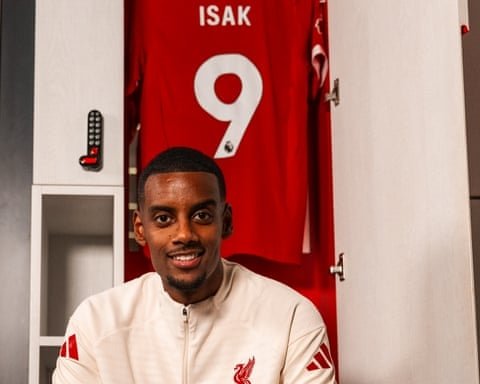
The profile of the elite center-forward has fundamentally changed. The archetype of the towering target man or the pure penalty-box poacher is fading, replaced by a new generation of attackers who blend physical presence, technical skill, and tactical intelligence. This shift is exemplified by the trend of top clubs pursuing forwards who are not just finishers but complete offensive players.
These modern strikers, often standing well over six feet tall, defy traditional categorization. Their height is no longer a tool solely for aerial dominance but is combined with significant pace and ball-playing ability. They are comfortable operating in wide channels, linking play, and creating space as much as they are scoring goals. This versatility makes them adaptable to various tactical systems and forward partnerships.
At Liverpool, this evolution has clear implications. The potential integration of a player like Alexander Isak points towards a more fluid and interchangeable front line. His ability to run beyond defenses, combine in tight spaces, and offer an aerial threat—albeit through intelligent movement rather than brute force—provides a manager with multiple tactical avenues. Such a signing suggests a forward line where positional roles are blurred, with attackers interchanging to disrupt organized defenses.
This strategic pivot also invites consideration of the club’s long-term planning, particularly regarding key veterans. As influential players age, the acquisition of a versatile forward could signal a gradual tactical evolution away from systems that have been a hallmark of the team’s recent success. The objective appears to be building a more self-sufficient attacking unit that is less reliant on individual brilliance from specific wide areas.
However, this focus on reinforcing the attack brings its own set of challenges. A significant investment in the forward line can sometimes lead to an imbalance in the squad, potentially leaving other areas, such as the midfield engine room, with less depth. The success of this strategy may hinge on the tactical flexibility of the existing squad members and the manager’s ability to deploy them in hybrid roles to maintain structural solidity.
Ultimately, the move for a multi-faceted striker is a sign of the times, reflecting the modern game’s demand for complete footballers. For Liverpool, it represents an ambitious step to refresh their attack with a player capable of both scoring and creating, while also preparing the ground for the next chapter in the team’s tactical identity.