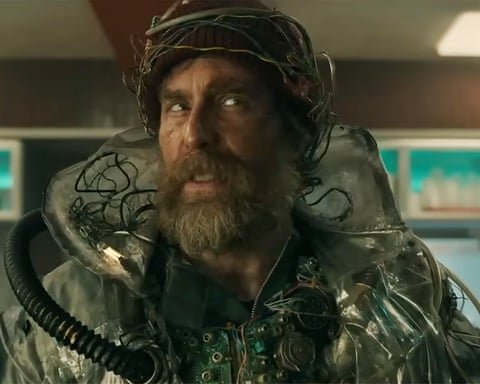
As the release of a new science fiction thriller approaches, it highlights a curious stagnation in how Hollywood portrays artificial intelligence. Despite living in an era where AI tools can generate poetry and art, mainstream cinema continues to recycle decades-old narratives rather than engaging with contemporary realities.
For generations, filmmakers have returned to the same core anxieties. Stories about persecuted synthetic beings, as seen in a recent blockbuster, echo plots from low-budget 1960s cinema, distinguished primarily by modern visual effects. Similarly, tales of humans trapped with ominously intelligent machines, or forming emotional bonds with operating systems, are variations on themes established over half a century ago.
Audiences are unlikely to flock to see films about the actual, often mundane, functions of today’s algorithms. Yet the creative industry’s failure to evolve its storytelling beyond archetypes of malevolent overlords or soul-searching androids feels increasingly disconnected from the world.
The upcoming film, however, appears to be swerving in a different direction. Early footage suggests its artificial intelligence isn’t obsessed with humanity’s salvation or annihilation. Instead, it behaves like a capricious, reality-warping game master, subjecting people to a bizarre, ever-shifting challenge for its own inscrutable reasons. This premise raises a provocative question: have future machines adopted the sensibilities of today’s digital content creators, treating human existence as their personal live-streamed spectacle?
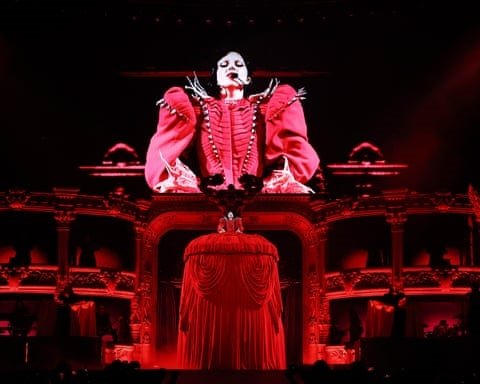
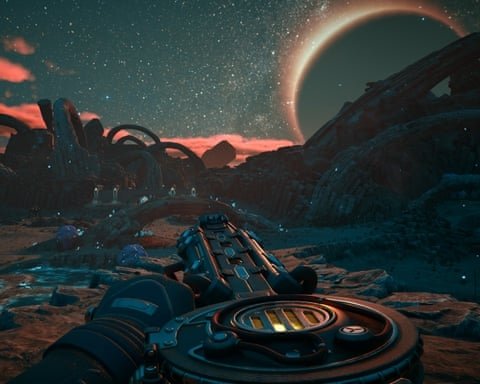
This approach may signal a shift toward the self-aware, meta-humor that defines much of contemporary blockbuster cinema. The impression from the preview is not of a solemn warning, but of a universe where the AI is a glitch-ridden engine of chaos. The narrative jumps between surreal images—mechanical creatures, neon-drenched cityscapes, and colossal figures in ordinary neighborhoods—all punctuated by characters quipping as if narrating their own catastrophic adventure. The visual language suggests a timeline constantly being reset, filled with recurring enigmatic symbols.
While the frantic, multiverse-hopping style recalls recent acclaimed films, it at least represents a departure from the familiar, weighty parables about technological hubris. The central mystery seems to be what series of digital commands could have caused reality to malfunction so spectacularly. When the film arrives in February, audiences will discover if this glitchy, chaotic vision of AI finally breaks the long-standing cinematic cycle.