There is a particular kind of solace to be found in cinematic chaos. For me, it arrives in the form of a 1980 British film that serves as a blistering critique of the music industry. Set against the grim backdrop of a decaying London, this story of artistic integrity versus commercial pressure has become my most rewatched source of cinematic comfort.
The narrative follows a fiercely idealistic singer, Kate, whose raw, politically charged music is born from the embers of the punk movement. Her lyrics are a direct assault on the establishment, a sentiment that immediately puts her at odds with the corporate machinery of the record business. The central conflict is starkly illustrated by the contrasting success of a vapid, manufactured disco track, which climbs the charts through industry manipulation—a constant, ominous reminder of the fate that could await Kate.
What makes the film so compelling is its unflinching realism, reportedly drawn from the lead actress’s own brushes with the music world. She brings a scowling, guileless determination to the role, embodying the pent-up rage of a generation. Her journey is steered by a slippery, self-styled manager, a character whose vague promises and questionable ethics perfectly encapsulate the film’s seedy underbelly. Their relationship is less a romance and more a tense negotiation of power, as he dangles the poisoned chalice of fame before her.
The record industry itself is portrayed as a kind of purgatory. A surreal, pink-lit party scene feels like a graveyard for rock stars, while the label executives—champagne-sipping public school boys—view their artists with a blend of contempt and opportunism. Their tactics of divide and conquer feel ripped from the playbook of real-life music svengalis. The corruption is subtle and insidious, epitomized by a suave producer who, from his country estate, ever so gently begins to sand down Kate’s rough edges, making her sound and image more palatable for mass consumption.
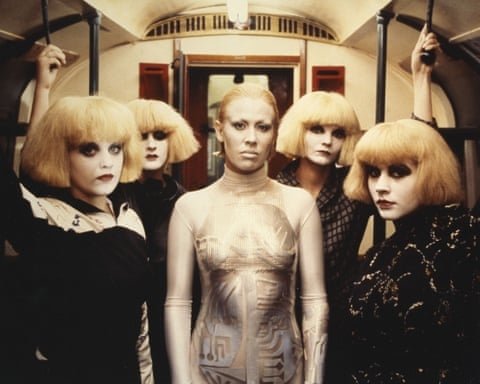
Beyond its narrative, the film is a time capsule of a vanished London. The city is a character in its own right: grizzled, peeling, and filmed in a pervasive, grey light. From grimy tube stations to the caverns under motorway roundabouts, every location feels authentically bleak. This gritty texture makes each viewing a new discovery, a chance to spot another detail in the richly drawn urban landscape.
The film concludes on an ambiguous note, leaving the protagonist’s future uncertain. While a sequel was once discussed, it never materialized, with the original star suggesting her character would abandon music entirely for a completely new life. It’s a fitting, if unfulfilled, ending for a story that argues true freedom might lie outside the system altogether. This portrait of defiant spirit in a corrupt world remains a strangely uplifting and powerfully resonant escape.