The celebrated Japanese actor Tatsuya Nakadai, whose distinguished career spanned over seven decades, has died at age 92. He succumbed to pneumonia in a Tokyo hospital.
Nakadai became one of Japan’s most respected performers, known for his commanding presence in both contemporary dramas and historical epics. His international reputation was cemented through his work in several cinematic masterpieces, particularly his portrayal of a warlord in Akira Kurosawa’s 1985 adaptation of “King Lear.”
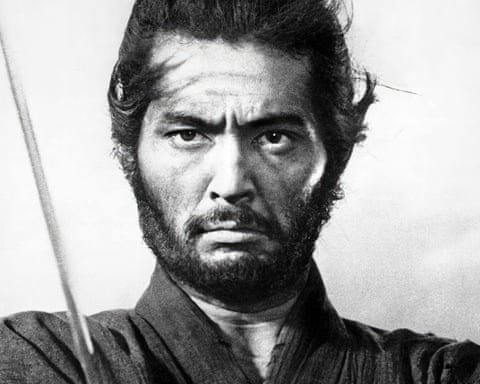
Throughout his prolific career, Nakadai demonstrated remarkable versatility, though he became particularly associated with samurai roles. His performance in the 1962 period drama “Harakiri” remains one of his most acclaimed, showcasing his ability to convey profound emotional depth within the constraints of historical narratives.
His collaboration with director Masaki Kobayashi proved especially fruitful, beginning with “The Human Condition” trilogy in the late 1950s and early 1960s. In these films, Nakadai portrayed a pacifist navigating the challenges of wartime Japan, establishing him as a serious dramatic actor capable of carrying complex, morally ambiguous roles.
Nakadai’s on-screen partnerships were equally memorable, particularly his dynamic with fellow actor Toshiro Mifune. Their collaborations included the 1961 samurai classic “Yojimbo” and its sequel “Sanjuro,” where their contrasting acting styles created compelling cinematic tension. One particularly memorable scene from their work together featured a dramatic sword fight that became influential in its depiction of violence.
Born in 1932 in Chiba prefecture, Nakadai turned to acting after financial constraints made university education unfeasible. His big break came unexpectedly when he was discovered while working in retail, leading to his first film role in the early 1950s.
Beyond his film work, Nakadai maintained a deep commitment to theater throughout his life, performing in numerous stage productions including Shakespearean tragedies and modern classics. In 1975, he and his wife established an acting school in Tokyo, dedicating himself to mentoring the next generation of performers.
His contributions to Japanese arts were recognized with the country’s highest cultural honor in 2015. Nakadai remained active in his profession until recently, demonstrating the enduring passion for performance that defined his remarkable life in the arts.