At 79, British painter Tony Foster continues to venture into some of the world’s most remote and untamed landscapes, driven by a lifelong mission to capture the essence of wilderness on canvas. Those who join him must first accept the risks—including the sobering requirement to have insurance for the return of their remains in case of fatality. Foster himself warns that the journey will test one’s limits, but also promises moments of profound joy and discovery.
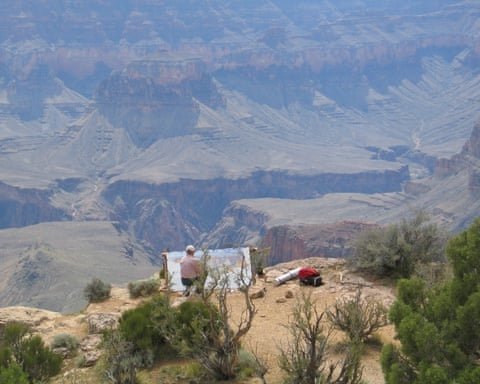
Director David Schendel accompanied Foster on a rafting expedition along the Green River in Wyoming and Utah, documenting the artist’s relentless process. Despite his slender frame, Foster has spent more than three decades trekking through extreme environments, from the Bolivian wilds to the slopes of Everest. His dedication is absolute: on one occasion, it took 16 days simply to find the right location to set up his easel.
Foster’s watercolor panoramas are celebrated for their luminous quality and jewel-like clarity. Rather than imposing his emotions onto the landscape, he approaches his work as a form of meditation, allowing the environment to shape the art. His self-sufficiency traces back to a rebellious youth in rural Lincolnshire and a period of homelessness in London—a past he remains reluctant to discuss.
Though he describes himself as a political artist, aiming to preserve vanishing wild places through his work, the film leaves certain motivations unexplored. Foster reflects on humanity’s smallness in the face of geological time, calling himself a “molecule on a gnat’s eyelash.” Yet it remains unclear whether this humility brings him peace or fuels a Werner Herzog-like defiance.
The documentary loses some momentum once Foster returns to his studio in Cornwall, where he puts the finishing touches on each piece. His disappointment is palpable when his latest works are shipped off to a gallery. Still, Schendel’s cinematography captures the grandeur of Foster’s chosen vistas—sometimes rivaling the art it portrays.