The film industry is facing a critical moment, with a leading voice declaring a “state of emergency” regarding the systemic neglect of female storytellers. The issue, as articulated, goes beyond measurable disparities to a deeper “violence of silencing” that stifles authentic artistic expression.
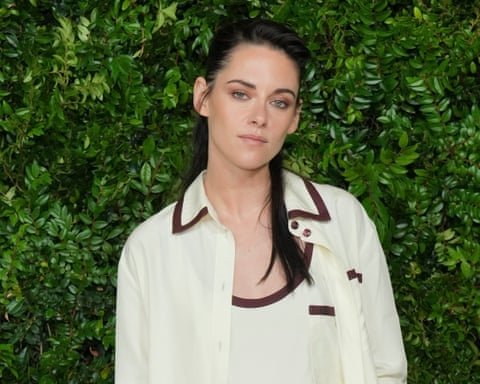
A prominent actor and emerging director, whose own passion project languished for eight years before reaching the screen, expressed profound frustration. “It’s awkward to talk about inequality for some people,” she stated during a major industry gathering. “We can discuss wage gaps… but the violence of silencing… It’s like we’re not even supposed to be angry. But I could eat this podium with a fork and knife, I’m so angry.”
Her directorial debut, an adaptation of a celebrated memoir, was cited as a personal journey that illuminated the “invisible cage” constraining creative voices. She credited the source material for giving “voice to certain truths I inherently understood,” arguing that “hard truths, when spoken out loud, become springboards to freedom.”
While acknowledging some progress since movements like MeToo, she contended that the industry remains fearful of stories deemed “too dark” or “too taboo.” She described the path for such content as a “bare-knuckle brawling that it takes every step of the way.”
The solution proposed was one of radical self-reliance and collective action. She urged her peers to reject tokenism and instead “print our own currency,” a metaphor for creating independent power structures and opportunities. The speech concluded with a rallying cry for solidarity: “I am so for you. I hope you are too. Let’s make art in the face of it.”
The event also featured an Oscar-winning costume designer, who emphasized the importance of mentorship. She highlighted directors who “gave me room to learn and grow,” adding that such support sends a vital message to every woman artist: “We see you. We believe in you. You belong here.”
This impassioned call for change comes against a backdrop of sobering statistics. Recent data indicates a decline in the percentage of women directing top-grossing films in the U.S., falling to 16%. In the UK, the figure stands at approximately 13% for all films. A study published last year described a “catastrophic” ten-year low for female representation on screen, noting a significant drop in the number of top films led by women.
This persists despite the monumental commercial success of a recent female-directed blockbuster. The upcoming awards season may see two previous female winners of the top directing prize as frontrunners once again, a potential bright spot in an otherwise challenging landscape for women in film.