A new documentary set in the English coastal town of Folkestone attempts to chart the complex contours of modern British identity. The film follows seven residents, each representing a different facet of the national conversation.
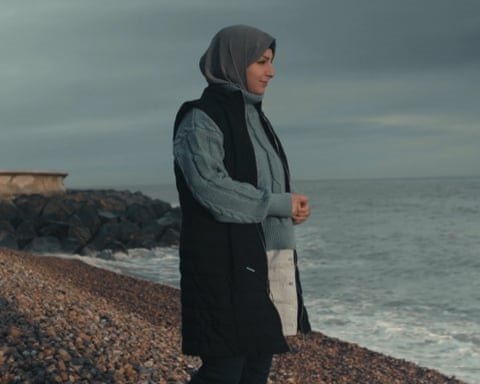
The subjects include a Syrian refugee navigating her place in a new culture, a barber who champions traditional working-class values, and a Black artist exploring themes of land and belonging. The group is rounded out by a fisherman’s son who is also a drag performer, the fishermen themselves—now guiding swimmers across the Channel due to declining catches—and a staunch proponent of Brexit who reflects on an “island mentality.”
A central theme that emerges is a shared sense of being overlooked. From the LGBTQ+ community to displaced refugees and those who feel their way of life is fading, a common thread is the perception of being invisible or misunderstood in contemporary Britain.
The director seeks to find hope in a divided nation, uncovering small moments of connection. The traditionalist barber finds common ground with foreign tourists over classic British comedy, while the Brexiter is shown engaging with asylum seekers. The drag performer’s father, initially uncomfortable with his son’s identity, makes an effort to attend a show.
However, the film’s perspective is critiqued as sometimes falling into familiar liberal patterns. Its introspection, while candid, can slip into a condescending view of more traditional English life, preventing a deeper exploration of the divides it aims to bridge.
One of the documentary’s most powerful elements is its visual treatment of the English Channel. It is presented not just as a geographical boundary but as a profound and often deadly threshold, a grey expanse separating Britain from the continent and, for many, hope from despair.
While the film successfully envisions these divisions, its conclusion—a neatly arranged gathering of all its subjects—feels more like a symbolic gesture than a substantive solution to the complex issues it raises.