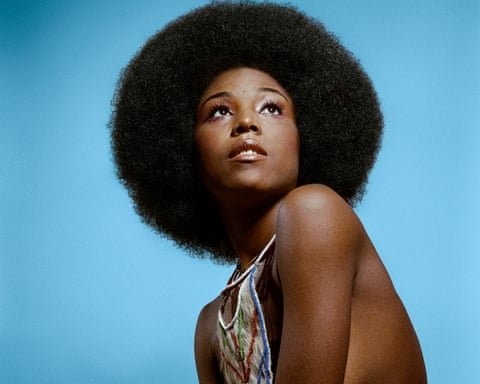
A powerful new film spotlights the enduring legacy of Kwame Brathwaite, the visionary photographer and activist whose work fundamentally reshaped visual culture in the 1960s. Directed by Yemi Bamiro, the documentary chronicles how Brathwaite, alongside his brother Elombe, turned the phrase “Black Is Beautiful” into a cultural movement.
The photographer’s most iconic work featured the Grandassa Models in Harlem—a collective of young African American women who embraced their natural features, rejecting prevailing Eurocentric beauty standards and chemical hair straighteners. These striking portraits became a visual manifesto, asserting a new, confident identity.
Brathwaite’s lens captured pivotal moments in Black cultural history. He documented Muhammad Ali before the legendary 1974 “Rumble in the Jungle” bout in Zaire, served as the exclusive photographer for the Jackson 5’s African tour, and became the house photographer for Harlem’s legendary Apollo Theater, creating an unparalleled archive of musical greatness.
The film reveals the profound motivation behind Brathwaite’s pursuit of beauty—the traumatic 1955 images of Emmett Till, whose mother insisted on an open casket to expose the brutality of racist violence. This horrific anti-epiphany drove Brathwaite to create counter-images of celebration, strength, and community.
Through interviews with his son, Kwame Jr., the documentary also explores the family’s ongoing mission to secure proper recognition for Brathwaite’s contributions, particularly after his notable absence from the National Museum of African American History and Culture’s inaugural exhibitions.
Brathwaite’s photography created a new iconography of empowerment—images that weren’t overtly political but provided the visual foundation around which political movements could coalesce. His work remains a breathtaking testament to the power of representation.