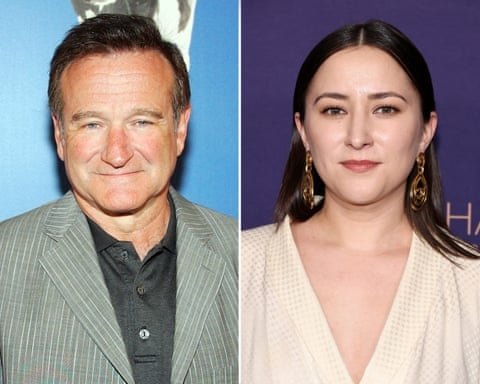
A prominent filmmaker has issued a public plea for people to stop creating and sharing AI-generated videos of her late father, the beloved actor and comedian Robin Williams. In a strongly worded social media statement, she described the practice as deeply disturbing and a violation of her father’s legacy.
The filmmaker explicitly asked the public to stop sending her these digital recreations, stating she finds them neither understandable nor acceptable. She argued that these videos are not a form of artistic expression but rather a disrespectful and “disgusting” repackaging of a human life, created merely for online engagement.
She challenged the notion that this technology represents the future, calling it a poor and unethical recycling of the past. The emotional plea emphasized that such content is the opposite of what her father would have wanted, reducing a complex human being to a superficial digital puppet.
This is not the first time she has spoken out against the non-consensual use of AI to replicate her father’s likeness and voice, having previously supported industry-wide efforts to regulate the technology. She has described these digital recreations as, at best, a poor imitation and, at worst, a monstrous distortion of a person’s essence.
This situation highlights the growing controversy surrounding AI-generated “deepfakes” of celebrities, both living and deceased. The issue extends beyond personal grievance, touching on broader concerns about consent, legacy, and the ethical boundaries of rapidly advancing artificial intelligence. The proliferation of such content on social media platforms has raised significant questions about copyright, personal rights, and the nature of digital exploitation.