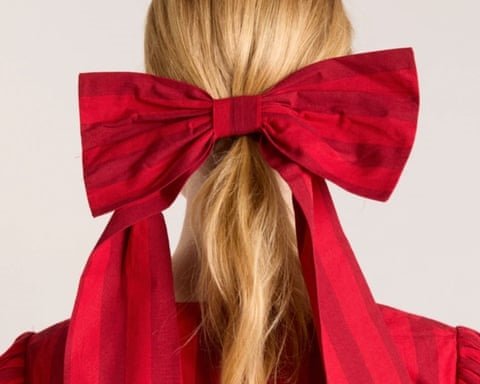
From red carpets to rugby pitches, a singular accessory is commanding attention this season. The oversized bow, once confined to gift-wrapping and childhood hairstyles, has emerged as fashion’s most versatile statement piece, appearing on everything from evening gowns to athletic uniforms.
This resurgence represents more than seasonal trend-cycling. Fashion historians note the bow’s transformation from decorative flourish to meaningful communication tool. “We’re witnessing a reclamation of traditionally feminine symbols,” observes one museum curator specializing in contemporary style. “Designers are deploying these elements with intentionality rather than conformity.”
The evidence appears everywhere. Runway collections feature dramatic bows serving structural purposes—replacing zippers, defining silhouettes, even holding garments together. High-street retailers report unprecedented demand for bow-adorned pieces, with cardigans, dresses, and accessories featuring the distinctive knot flying off shelves.
The symbolism extends beyond aesthetics. Recent incidents involving public figures wearing bows have sparked conversations about gender expression and personal identity. When one athlete faced criticism for sporting hair bows during competition, the response demonstrated how accessories can become emblems of solidarity and resistance.
Contemporary designers have embraced the bow’s dual nature—its ability to convey both innocence and sophistication, tradition and subversion. “The placement and context completely transform its meaning,” notes a fashion historian. “A delicate bow on a structured blazer creates tension between softness and severity.”
The accessory’s history reveals surprising origins. Before becoming associated with feminine fashion, bows adorned military uniforms and aristocratic menswear. This historical context adds layers to its modern interpretation, particularly as male celebrities increasingly incorporate bows into their formalwear.
The psychological dimensions cannot be overlooked. “There’s an inherent theatricality to bows,” explains an industry analyst. “They can signal availability or protection, depending on how they’re styled. The ‘untie me’ implication coexists with the wrapped-and-secured message.”
What makes the current bow movement distinctive is its democratic appeal. Unlike many fashion trends that trickle down from luxury brands, bows have appeared simultaneously across price points and contexts—from handmade hair accessories to designer gowns costing thousands.
As the holiday season approaches, traditionally the bow’s natural habitat, the accessory shows no signs of diminishing relevance. Its continued evolution suggests we’re witnessing not merely a trend but a broader cultural conversation about how we choose to present ourselves to the world—and what we’re trying to say without words.