A quiet transformation is underway in the creative sectors of the United Kingdom. The once-distinct worlds of visual art and high fashion are increasingly being united by a powerful, physical force: the immersive experience of high-fidelity sound.
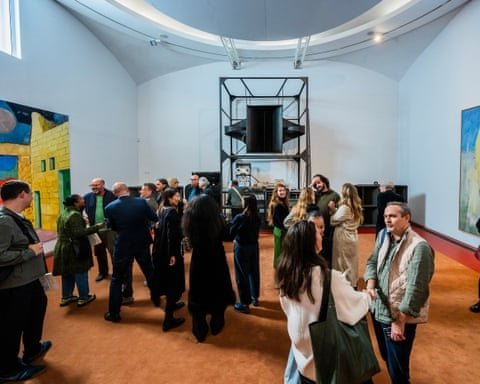
This movement sees galleries and design houses being reimagined as listening environments. A prominent painter’s recent exhibition featured not one, but two formidable sound systems, setting an atmospheric tone for the artwork on display. This is far from an isolated case. From New York to Liverpool, artists are integrating curated listening sessions and custom audio installations into their shows, turning the traditionally hushed gallery into a space of sonic vibration.
The trend’s origins trace back to a distinctly democratic form of entertainment. Emerging in mid-20th century Jamaica, sound system culture provided communities with a powerful, shared way to experience new music. This cultural practice traveled to Britain with post-war migration, where its deep, resonant basslines would go on to profoundly influence the nation’s musical landscape.
For one artist, exposure to this culture came after a move to the Caribbean, where massive speaker stacks were a common sight at community events, even school functions. This experience cemented the idea that such sound was simply part of the social fabric.
Academics observing this shift note it represents new territory for the sound system. It is being introduced to fresh audiences and perceived in novel ways, moving beyond its traditional boundaries. Artist collectives, for instance, are now re-envisioning the sound system as a tool for community building and a platform for underrepresented voices, opening the culture to entirely new demographics.
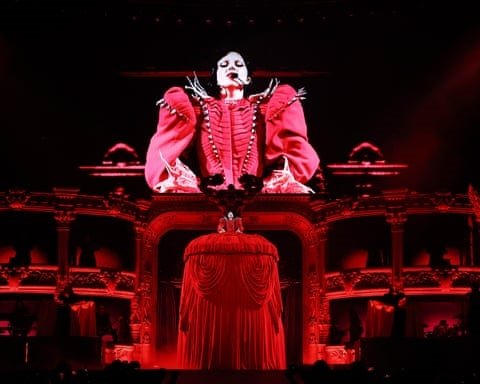
The influence has spilled over into fashion. Luxury brands are now installing high-end audio systems in flagship stores, hosting marathon listening events. Runway shows have featured towering speaker stacks as central set pieces, a trend arguably sparked by a major collaboration between a painter and a fashion house a few years ago.
Analysts point to several reasons for this embrace of high fidelity. High-quality audio equipment has become a new status symbol, an aspirational object of desire. Furthermore, a greater diversity within creative teams has brought a deeper understanding and appreciation for sound system culture into these industries. The legacy of influential designer-DJs has also played a role, with dedicated listening rooms now appearing in prominent cultural venues.
While some note that the radical, community-centric roots of the sound system have been softened in this new context, many see its rising popularity as a net positive. The fact that major brands are choosing powerful sound as their cultural backdrop is viewed as a significant and welcome development, signaling a deeper sensory engagement within the arts.