In an era dominated by digital interactions, fashion has become an unexpected vehicle for community building and imaginative escape. While critics lament the decline of traditional subcultures, contemporary style movements are creating tangible connections through shared aesthetics.
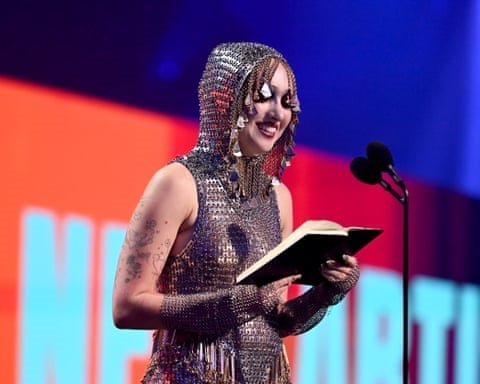
The recent surge of “medievalcore” exemplifies this phenomenon. Drawing inspiration from an era centuries before smartphones, this trend embraces long skirts, corsets, and chainmail accessories that have appeared everywhere from summer festivals to high-fashion runways. Social media platforms show thousands of posts dedicated to this aesthetic, with Pinterest reporting search increases exceeding 100% in recent months.
This fascination with historical fashion isn’t new. The 1960s saw similar medieval influences, from velvet tunics worn by musical icons to chainmail dresses in fashion collections. The Pre-Raphaelite movement similarly reimagined medieval themes to explore themes that challenged Victorian conventions.
What distinguishes current trends is their function as deliberate escapism. In a world of constant connectivity, dressing as characters from distant eras offers psychological respite. This approach mirrors gaming culture, where avatar customization allows identity exploration that now extends to physical fashion choices. The growing significance of Halloween celebrations further demonstrates this desire for transformative dressing.
The most successful aesthetic movements transcend mere clothing to foster genuine communities. “Dark academia,” with its bookish sensibility and intellectual aspirations, appears to be contributing to renewed interest in libraries and traditional learning. Similarly, “cottagecore” romanticizes rural life while potentially encouraging outdoor activities among younger generations.
Medievalcore’s historical depth provides particularly rich ground for community formation. With recognizable figures from Joan of Arc to Eleanor of Aquitaine, participants can build elaborate worlds around their fashion choices. This creates shared narratives that extend beyond clothing into broader cultural engagement.
While fast-fashion microtrends raise valid environmental concerns, their cultural value shouldn’t be dismissed. For digitally-native generations, these aesthetics offer spaces for creative expression and belonging. The corset or chainmail headband becomes not just a fashion statement but a signal to like-minded individuals, much like band T-shirts functioned for previous generations.
The persistence of these style movements demonstrates that community formation hasn’t disappeared—it has evolved. Through fashion, young people are crafting identities, finding tribes, and creating the escapism they crave in an increasingly complex world.