The city of Manchester is reclaiming its place in the fashion world with the return of its fashion week after a decade-long absence. The event marks a significant moment for the northern English creative community, aiming to showcase talent beyond the traditional London-centric fashion scene.
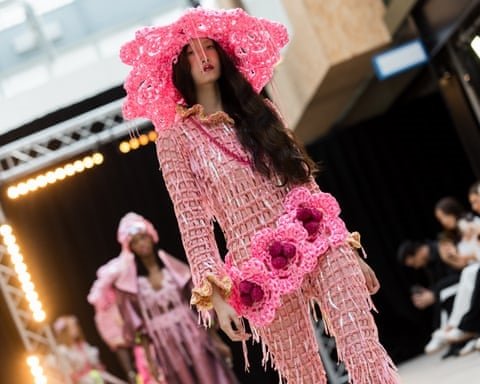
The opening show featured designer Drew Kent, whose vibrant collection of crochet knits in bold pinks and purples brought explosive color to a city often associated with grey skies. Kent’s presentation, held in Castlefield’s market district, featured oversized hats, dramatic sequins, and textured cardigans that the designer described as an exploration of childhood imagination and gender play.
The timing coincides with broader industry shifts, coming just before London Fashion Week and aligning with recent British Fashion Council initiatives to decentralize the fashion industry. The Manchester event distinguishes itself through its focus on education and sustainability, incorporating workshops and talks alongside traditional runway shows.
Event organizers have taken a firm stance on sponsorship, rejecting approaches from major fast-fashion brands despite financial pressures. “We’re committed to partners who share our values,” explained the executive producer, emphasizing the event’s dedication to sustainable practices.
The fashion week also serves as a platform for designers who’ve found London’s high costs prohibitive. Kent, who returned to northern England after studying at Central Saint Martins, noted that the event demonstrates creativity can flourish outside the capital without massive financial backing.
Manchester’s deep textile heritage, dating back over two centuries, provides rich ground for the event’s revival. Industry observers suggest the city’s distinctive approach to style—where dressing up remains a cherished social ritual—offers a fresh perspective often missing from London’s fashion landscape.
While questions remain about how the event will establish itself alongside established international fashion weeks, participants see it as an important step in recognizing Manchester as a serious fashion destination and celebrating the distinctive creative energy of northern England.