
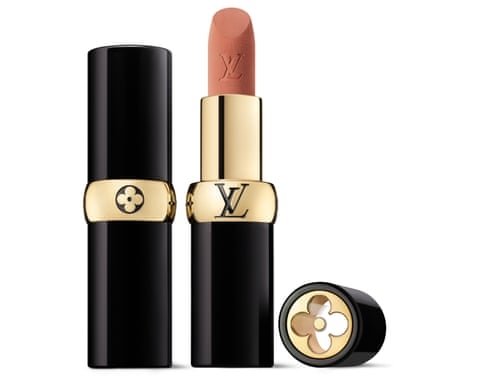
A new benchmark in prestige cosmetics has been set with the introduction of a £120 lipstick, positioning what was once an everyday item firmly within the luxury market. This launch represents the latest move by high-end fashion labels to create more accessible entry points into their exclusive worlds.
The product arrives as part of a debut makeup collection that includes eyeshadow palettes at £190 and similarly priced lip balms. Industry observers note this follows a pattern of luxury brands introducing premium lip products, with recent examples including a £145 Chanel lipstick in a glass case and Dior’s special edition offering at $500.
Market analysts point to several factors driving this trend. Beauty products typically deliver strong profit margins for fashion houses, making them attractive business extensions. For consumers, these items provide a gateway to luxury brands at a fraction of the cost of handbags or clothing, with some high-fashion bags now exceeding $10,000.
The psychology behind such purchases is complex. Consumer behavior specialists note that for regular luxury shoppers, a £120 lipstick can feel like a bargain compared to four-figure handbags. The product’s visibility also plays a crucial role – unlike expensive underwear or home goods, lipstick is frequently reapplied in public, making it an effective status symbol.
Packaging and sensory experience contribute significantly to the perceived value. The weighty, magnetized case and distinctive scent create a multi-sensory luxury experience that extends beyond mere color application. The refillable nature of these products further positions them as lasting possessions rather than disposable items.
Some market watchers suggest these launches might reflect the “lipstick index” phenomenon, where luxury cosmetic sales increase during economic uncertainty as consumers seek affordable luxuries. Others view them as strategic moves to attract new customer demographics who might eventually trade up to more expensive items.
While the prices may seem extraordinary to some, industry experts note they serve to reinforce brand exclusivity. The attention generated by such pricing strategies, even when critical, ultimately serves marketing purposes by keeping brands in public conversation and maintaining their aspirational positioning.