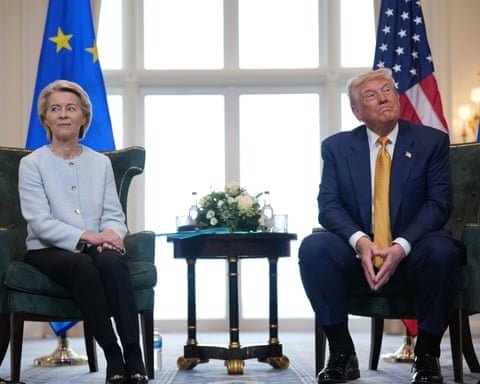
High-level trade negotiations between the United States and European Union will recommence next week following a two-month pause, as both sides seek to resolve outstanding disagreements from their July tariff arrangement. The discussions mark the first formal engagement since the conclusion of the U.S. government shutdown in October.
U.S. Commerce Secretary Howard Lutnick and Trade Representative Jamieson Greer are scheduled to meet with EU commissioners, ministers, and industry leaders in Brussels on Monday. The agenda includes a working lunch with trade ministers from all 27 member states, though officials indicate efforts will be made to maintain focus on core issues rather than country-specific demands.
Washington has expressed frustration with what it perceives as slow implementation of the July agreement, which established a 15% baseline tariff on most European imports to the United States. The arrangement, negotiated to avert threatened 50% tariffs, remains non-binding and requires parliamentary approval—a process that could extend into February.
Key unresolved matters include the maintenance of 50% tariffs on steel and aluminum, additional duties on products containing steel components, and various food and beverage levies. Several European nations, particularly wine and spirits producers like France and Ireland, are pushing for elimination of the 15% tax on their exports.
The talks will also address the ongoing semiconductor supply crisis involving China, with separate meetings planned between U.S. officials and EU commissioners responsible for trade, defense, and technology.
Of particular concern to European officials are what they term “hidden tariffs” on hundreds of products containing steel elements, from wind turbines to household appliances. The U.S. has identified 407 such items for additional duties since September and is considering expanding the list to include approximately 700 more products, including bicycles and tin cans.
European manufacturers report significant administrative burdens and unexpected tariff assessments reaching 200% for companies unable to provide exhaustive documentation of their supply chains.
Both trading partners are expected to discuss coordinated measures to protect their domestic steel industries from cheaper Chinese imports. European authorities hope recent anti-dumping proposals matching U.S. tariff levels will encourage Washington to reduce the 50% steel duties currently affecting EU exports.