For a group of young women in Afghanistan, the crack of a cricket bat is an act of quiet rebellion. Confined to their homes, they practice in courtyards and basements, muffling their play to avoid detection. Their aspiration is not just to play, but to compete on an international stage—a dream that stands in stark contrast to their daily reality.
Since the Taliban’s return to power, women’s rights have been systematically dismantled. Girls are barred from secondary education and universities. Public life for women has vanished; they cannot visit parks alone, work in most professions, or even be seen by a male doctor. Sport is entirely forbidden. These restrictions have created a society where women are effectively imprisoned in their own homes.
Despite these conditions, the passion for cricket endures. One teenager, whose identity is concealed for her safety, described how playing with her sisters provides her only source of happiness. “My greatest hope is to play cricket internationally,” she shared. “But here, there is no path forward for us.”
The international cricket community’s response has been measured. While the International Cricket Council continues to fund the Afghanistan Cricket Board, which operates under Taliban authority, support for women players has been limited and slow to materialize. A recent initiative to assist displaced athletes has been criticized as insufficient.
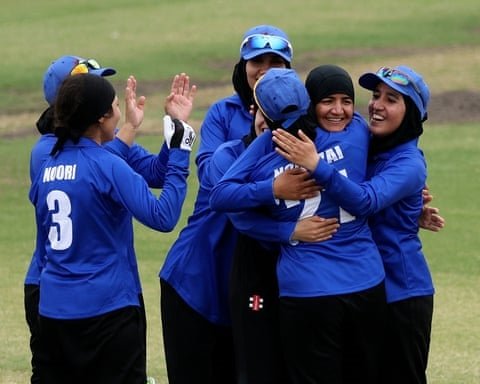
In contrast, a group of former national team members now living abroad continues to train and compete. Resettled through the efforts of advocates, these athletes recently participated in exhibition matches and are scheduled to observe the upcoming Women’s World Cup. However, they seek more than symbolic gestures—they want official recognition as a team and opportunities for genuine competition.
Advocates argue that global sporting bodies should do more, suggesting that funding allocated to Afghanistan’s cricket authorities should be shared with exiled women’s teams. “These athletes need real support, not just friendly matches,” one supporter noted.
Meanwhile, in Afghanistan, the sound of cricket balls being struck continues behind closed doors—a testament to dreams that refuse to be extinguished, even as one young player expressed the heartbreaking wish that “no one else should have to live a life like this.”