British intelligence officials have expressed confidence in their ability to mitigate potential security concerns surrounding China’s proposed new diplomatic complex in London, according to sources familiar with high-level discussions.
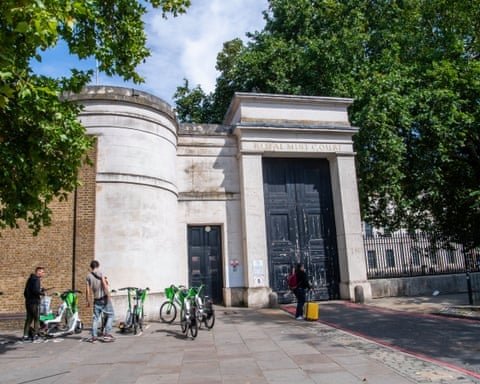
Security Service representatives reportedly informed House of Commons Speaker Lindsay Hoyle during private summer meetings that they maintain a comfortable stance regarding the planned 20,000-square-meter facility at Royal Mint Court. The assessment indicates that any intelligence-gathering risks associated with the larger diplomatic presence can be effectively managed through established protocols.
The timing of Prime Minister Keir Starmer’s anticipated first official visit to China, expected early next year, is understood to be connected to the embassy decision, with insiders suggesting the trip depends on approval of the new facility.
When questioned about security implications last October, MI5 Director General Ken McCallum emphasized the agency’s extensive experience in handling risks associated with foreign diplomatic missions. “This is precisely the type of assessment our security services are equipped to provide,” he noted, referencing the century-long history of managing such diplomatic presences.
While security services traditionally refrain from public commentary on specific advice provided to ministers, their assessments are understood to have been forwarded to relevant government departments for consideration in the planning process.
Opposition to the project has centered on security considerations, including the proximity to critical infrastructure connecting to the City of London, alongside concerns about increased traffic and neighborhood safety. Some critics have also questioned the symbolic implications of approving what would become China’s largest diplomatic outpost in the British capital.
However, former intelligence officials have noted that concentrated diplomatic facilities can present surveillance advantages compared to dispersed operations. “While embassies naturally attract intelligence activities, their centralized nature offers certain monitoring benefits,” one former senior officer observed.
The decision deadline, already extended twice, now stands at December 10th. The delays have prompted diplomatic friction, with Chinese authorities urging the UK to “honor its commitments” while simultaneously blocking renovation work at the British embassy in Beijing.
Former Foreign Secretary Boris Johnson had previously committed to parallel development of both nations’ embassy projects in 2018 correspondence with Chinese officials. More recently, former MI6 chief Richard Moore suggested a compromise solution was probable, emphasizing the mutual importance of maintaining functional diplomatic representation.
Security analysts have noted that the physical size of diplomatic compounds matters less in contemporary intelligence operations, as technological advancements have reduced reliance on traditional embassy-based espionage. Modern recruitment efforts increasingly occur through digital platforms, as evidenced by recent MI5 warnings about Chinese operatives using professional networking sites to target political figures.
The final decision rests with government ministers, who must balance diplomatic relations with security considerations amid ongoing geopolitical tensions.