
An Australian academic residing in Thailand will stand trial next month on criminal defamation charges brought by Malaysian authorities over his critical writings about that country’s internet regulatory body.
Murray Hunter, a long-term Thailand resident, faces potential imprisonment of up to two years or substantial fines for articles published on his personal platform last April. The charges stem from his reporting on the Malaysia Communications and Multimedia Commission, where he alleged improper conduct and censorship practices.
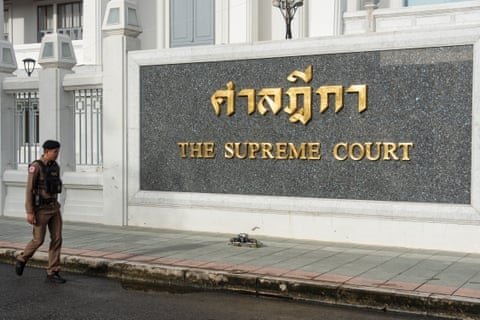
The case gained international attention when Hunter was detained at Bangkok’s main airport in September while attempting to travel to Hong Kong. Though subsequently released on bail, his passport remains confiscated pending trial proceedings scheduled for December.
Hunter described the legal action as an attempt to silence critical voices, noting the unusual nature of being prosecuted in Thailand over writings concerning another nation’s government. Legal advocacy groups have characterized the case as a strategic lawsuit designed to suppress public participation and intimidate journalists.
Media freedom organizations have expressed concern about the implications for press freedom in the region, noting that the use of criminal defamation laws across international borders creates dangerous precedents for journalists working in Southeast Asia. Critics argue such legal actions undermine fundamental freedoms and create chilling effects on public discourse.
The case highlights ongoing tensions between government authorities and independent media across the region, with press freedom advocates warning of increasing legal pressures on journalists who report critically on governmental activities.