A recent travel warning issued by Chinese authorities against Japan has sent shares in the country’s tourism and retail sectors tumbling, amid escalating diplomatic tensions between the two nations.
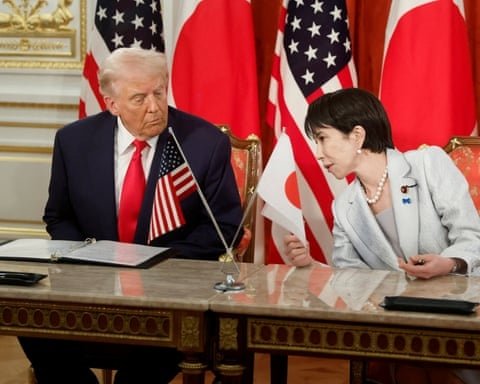
The advisory, which urges Chinese citizens to avoid travel to Japan, follows controversial remarks by Japanese Prime Minister Sanae Takaichi regarding potential military intervention in Taiwan. The comments have sparked a strong reaction from Beijing, including calls for boycotts of Japanese tourism and educational institutions.
Market reaction was immediate and severe. Shares in prominent Japanese companies experienced significant declines, with cosmetics giant Shiseido dropping 9%, department store operator Takashimaya falling over 5%, and Fast Retailing, parent company of Uniqlo, declining more than 4% during Monday trading.
The economic impact extends beyond stock markets. Two Japanese animated films have seen their Chinese theatrical releases postponed indefinitely, with state media indicating the delays represent additional countermeasures in the ongoing dispute.
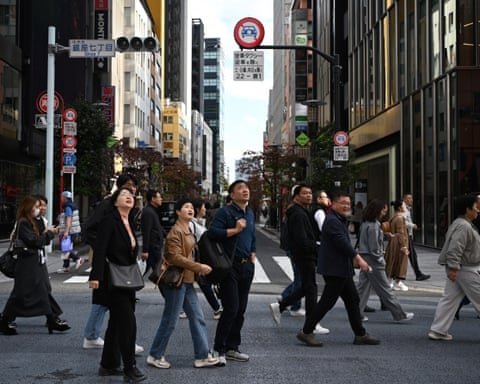
China represents the largest source of tourism to Japan, with Chinese visitors known for substantial spending on cosmetics, fashion, and electronics during their travels. The travel advisory therefore poses significant economic concerns for Japanese businesses that have come to rely on Chinese tourist spending.
Diplomatic efforts are underway to ease tensions, with senior Japanese foreign ministry officials scheduled to meet with their Chinese counterparts. The Japanese delegation is expected to clarify that the prime minister’s comments do not represent a shift in official policy and to encourage restraint from both sides.
The situation highlights the delicate balance in Sino-Japanese relations, where deep economic interdependence coexists with historical tensions and ongoing territorial disputes. Both nations remain major trading partners, yet political disagreements continue to test the resilience of their economic relationship.
The developments come shortly after what appeared to be constructive meetings between leaders of both countries at an international summit, underscoring how quickly diplomatic relations can deteriorate amid sensitive geopolitical issues.