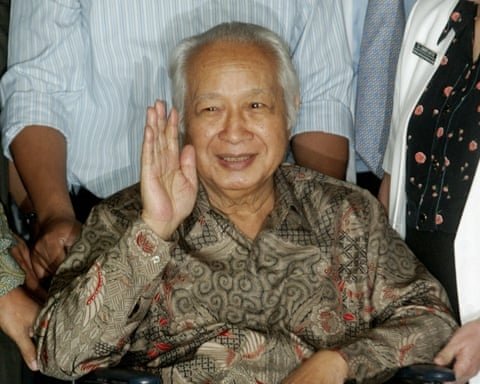
Indonesia has posthumously designated former president Suharto as a national hero, a decision that has generated significant controversy across the nation. The honor was presented during an official ceremony led by President Prabowo Subianto to members of Suharto’s family.
The announcement described Suharto as a prominent military figure from Central Java who played a role during Indonesia’s independence period. The country gained sovereignty in 1945 after colonial rule by the Netherlands and Japan.
Suharto governed Indonesia for more than thirty years before his presidency ended during the 1998 economic crisis that triggered widespread demonstrations. He passed away in 2006 at age 86.
The current president, who previously served as a military commander and was once married to Suharto’s daughter, has frequently expressed admiration for the former leader. Since taking office, his administration has faced questions about increasing military involvement in civilian affairs.
A government official defended the decision, pointing to Suharto’s participation in military campaigns against Dutch forces in 1949. The official also refuted allegations connecting Suharto to violence against communist sympathizers during the mid-1960s.
However, the designation has drawn sharp criticism from human rights organizations and activists. Critics describe the move as an attempt to rewrite history and disregard victims of past injustices. They argue it honors a leader whose administration was associated with systematic corruption and human rights violations.
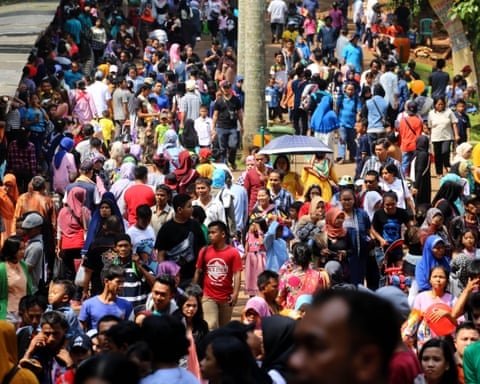
Public demonstrations have emerged in response to the decision, with protesters gathering near government buildings carrying banners condemning what they characterize as historical revisionism. The demonstrations reflect ongoing divisions within Indonesian society regarding the legacy of the former president’s lengthy tenure.