Japan witnessed a landmark demographic shift in 2024, with the number of infants born to foreign parents climbing to unprecedented levels. This development occurs against a backdrop of intense political discourse concerning the nation’s future population strategy.
Official statistics reveal that over 22,800 newborns had non-Japanese parents last year, representing more than 3% of all births. This figure marks a significant increase and stands in sharp contrast to the continued decline in births to Japanese families, which fell to approximately 686,000.
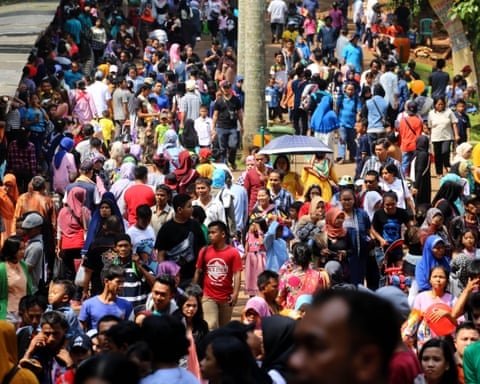
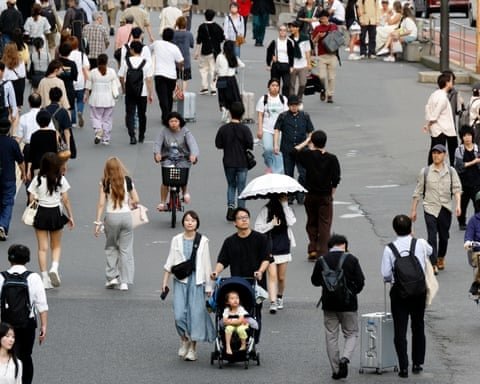
The growing proportion of foreign-born children is beginning to partially counterbalance the nation’s overall declining birthrate. Japan, facing one of the world’s most rapidly aging societies and a persistent low birthrate, has seen its foreign resident population swell to nearly four million. Many of these residents are of childbearing age, contributing to this new demographic trend.
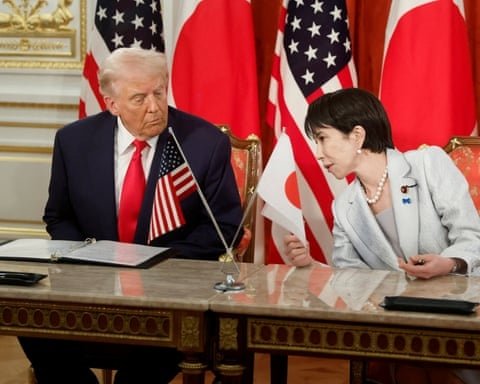
This population change has ignited a vigorous political debate. The increasing visibility of diverse communities in towns across the country has prompted calls from some political figures for tighter immigration controls and improved integration programs. The issue of foreign workers and residents featured prominently in recent electoral campaigns.
However, demographic and economic pressures are expected to sustain the need for migrant labor. Government projections suggest the foreign resident population could exceed 10% within the next two decades, a timeline far sooner than previous estimates.
Experts are urging local governments to enhance support systems for foreign families, noting that assistance for newborns and their parents often lags behind the demographic reality. They warn that without policies ensuring these children can fully integrate—gaining language fluency and economic parity—the risk of a socially divided future increases.