A unique industry has taken root in South Korea, where traditional ingredients meet modern consumer demand in the growing market for hangover remedies. At the center of this trend is hovenia dulcis, known locally as heotgae, which has become the foundation for numerous commercial products aimed at alleviating the effects of alcohol consumption.
The market for these remedies has expanded significantly, reaching approximately 350 billion won in 2024 according to industry data, representing a 10% increase from the previous year. This growth comes despite a broader trend of declining alcohol consumption among South Koreans, with per-capita drinking rates falling steadily since 2015.
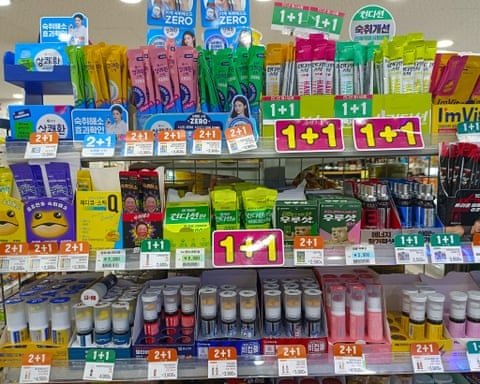
Traditional morning-after rituals involving haejangguk, or “hangover soup,” remain popular, but consumers now have access to a wide array of commercial alternatives. Convenience stores dedicate substantial shelf space to various formats including traditional drinks, jelly sticks, and tablets, most containing extracts of hovenia dulcis alongside other ingredients like red ginseng and milk thistle.
Industry analysts note that the social dimension of these products is particularly significant among younger consumers. “Younger drinkers often purchase multiple products to share during social gatherings, making hangover prevention part of the evening’s social customs,” explains a cultural anthropologist specializing in food culture.
The international appeal of Korean culture has also contributed to the industry’s expansion, with growing interest in Southeast Asian markets and beyond. South Korea has reportedly launched more hangover products globally than any other country over the past five years.
While hovenia dulcis is often promoted as a traditional remedy, historical records indicate its commercial application for hangover relief only emerged in the early 1990s, initially through Japanese patents before Korean research followed. Scientific studies have primarily examined the plant’s potential effects in animal models, with some research suggesting it may influence alcohol metabolism and liver protection, though comprehensive human trials remain limited.
Regulatory oversight of the industry has recently intensified, with new requirements implemented in January 2025 mandating that companies conduct human trials demonstrating measurable improvements in hangover symptoms. Companies unable to provide such evidence face restrictions on marketing claims.
For many consumers, the appeal of these products extends beyond scientific certainty. “I’m not sure if they actually work,” admits one 26-year-old office worker, “but they’re affordable and sometimes I genuinely feel better. That’s sufficient for me.”
The continued popularity of these remedies reflects their role in South Korea’s drinking culture, where prevention and recovery have become integrated into social customs and commercial enterprise alike.