Authorities are conducting DNA analysis on a heart claimed to be that of Byron Haddow, a 23-year-old Australian man who died while vacationing in Bali last May. The development follows the discovery that Haddow’s body was returned to Australia without his heart, prompting an official inquiry from Australian officials.
Haddow was found deceased in his villa’s plunge pool. When his remains were repatriated four weeks later, a subsequent autopsy revealed his heart was missing. A heart was later returned to the family two months after his death, though its origin is now being verified.
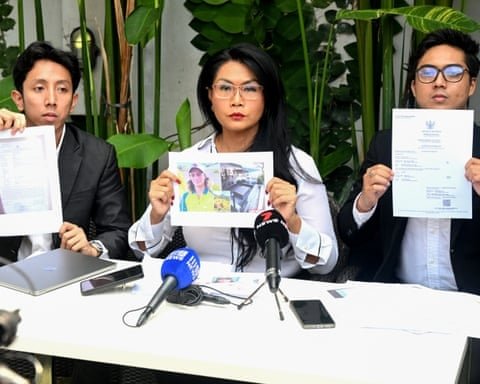
The family’s legal representative stated that certainty and transparency are paramount. “The returned heart is undergoing DNA testing in Queensland to confirm it is indeed Byron’s,” she said. “The family insists on dignity for their son.”
The Indonesian hospital that performed the initial autopsy has rejected allegations of organ theft. A hospital director explained they conducted a forensic examination at the request of local police and had no reason to withhold organs. He stated the heart was returned separately due to the time required for proper pathological processing.
However, the family’s representative countered that a further autopsy was performed on the heart in Bali without family knowledge or consent. She also noted the hospital requested an additional A$700 payment for the organ’s repatriation.
The family is calling for an independent police investigation into Haddow’s death and is seeking full clarification from the hospital regarding procedures performed on his body, particularly the removal and retention of his heart without authorization.
Haddow’s parents have described the handling of their son’s remains as inhumane, compounding their grief. They remain determined to uncover the complete truth surrounding the circumstances.
Australia’s Department of Foreign Affairs confirmed it is providing consular assistance to the family but declined further comment due to privacy considerations. The case has raised significant questions about medical protocols and international cooperation in such sensitive matters.