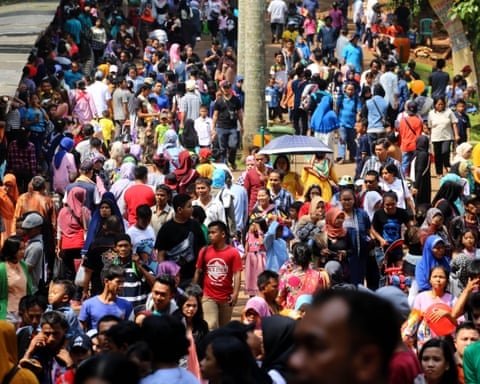
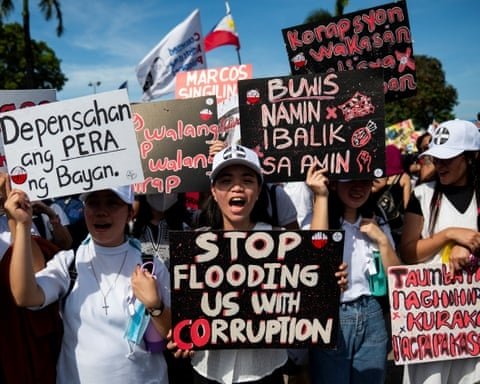
Tens of thousands of citizens poured into streets across the Philippines on Sunday, demanding government accountability following explosive revelations that billions of dollars intended for flood prevention projects had been systematically misappropriated.
The nationwide demonstrations, which drew participants from diverse backgrounds including student groups, religious organizations, and ordinary citizens, represent one of the largest public outcries against corruption in recent years. Protesters filled major thoroughfares in Manila and other urban centers, holding placards demanding justice and the recovery of stolen public funds.
At the heart of the controversy are allegations that numerous lawmakers and government officials received substantial kickbacks in exchange for awarding contracts for flood control initiatives that were never properly implemented. Official estimates indicate approximately $1.8 billion has been lost to corruption in flood-related projects over the past two years, while environmental groups suggest the actual figure may be significantly higher.
The scandal has emerged during a period of heightened vulnerability for the archipelago nation, which typically experiences around twenty tropical cyclones annually. Recent monsoon seasons have brought devastating flooding to numerous communities, displacing residents and destroying property while the very systems designed to protect them allegedly remained unfunded.
Religious leaders have voiced support for the demonstrations, with one prominent cardinal emphasizing that the protests aim to strengthen democratic institutions rather than undermine them. “We seek not to destabilize but to demand accountability,” he stated, reflecting the mood of many participants.
While the majority of demonstrations remained peaceful, authorities reported several dozen arrests and minor clashes between protesters and law enforcement. Police officials indicated that some of those detained may have been agitators rather than legitimate demonstrators.
The protest date carried historical significance, coinciding with the anniversary of the 1972 declaration of martial law by the current president’s father, former dictator Ferdinand Marcos. The elder Marcos’s regime was later accused of plundering billions from state coffers during his fourteen-year rule.
In response to the growing crisis, the administration has established an independent commission to investigate the corruption allegations. The president has expressed sympathy with protesters, acknowledging their right to demonstrate and stating that he shares their outrage over the misappropriation of public funds.
The political fallout has already begun, with both the senate president and house speaker resigning their leadership positions amid the escalating scandal. The president has vowed that the investigation will leave “no sacred cows” untouched as his administration seeks to restore public trust.