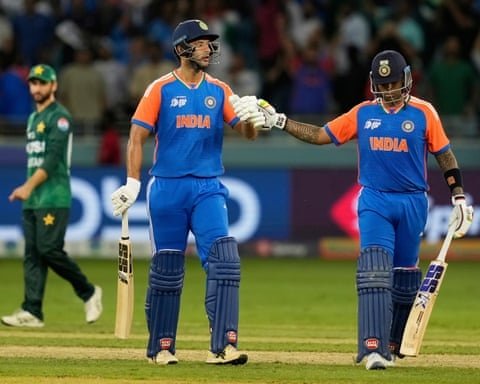
A recent cricket match between India and Pakistan has highlighted the severe deterioration in relations between the two nuclear-armed neighbors, with traditional sportsmanship giving way to political posturing. Following India’s victory in an Asia Cup encounter, their team departed the field without partaking in the customary post-game handshake with their Pakistani rivals.
The incident marks a significant departure from past decades when cricket often served as a diplomatic bridge, even during periods of heightened military tension. The decision by the Indian team was described by their captain as a collective one, with the victory being dedicated to the nation’s armed forces.
In response, Pakistan’s captain declined to attend the official post-match ceremony, while team management expressed disappointment over the breach of sporting protocol. The Pakistan cricket board subsequently lodged a formal protest with the international cricket governing body, though no disciplinary action was taken.
This event occurs against the backdrop of escalating hostilities between the two nations, including recent military exchanges and accusations of terrorism. Historical context shows that cricket diplomacy has been in decline since the 2008 Mumbai attacks, with the sport increasingly becoming intertwined with nationalist politics in both countries.
Analysts note that both nations currently have political environments where cricket is being utilized as an extension of state policy rather than as a means of building people-to-people connections. The current leadership structures in both countries feature close ties between cricket administration and political power.
Former players and cricket historians have expressed concern that this incident establishes a dangerous precedent, where international cricket becomes a platform for displaying geopolitical tensions rather than transcending them. Many observers believe that a return to the sporting camaraderie of previous eras appears unlikely given the current political climate in both nations.
The two teams are scheduled to meet again in the tournament’s next stage, raising questions about whether sporting relations have reached a new low point in the long and complicated history between these neighboring countries.