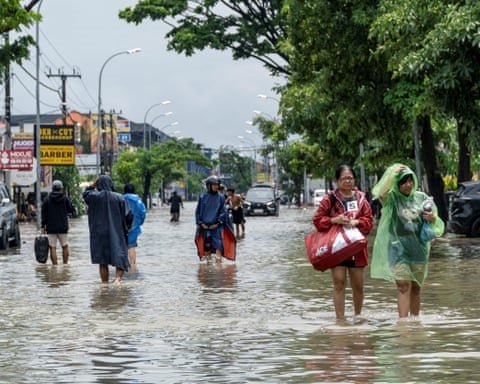
The Indonesian resort island of Bali is imposing a ban on the construction of new hotels and restaurants on agricultural land, a move prompted by recent flash floods that killed at least 18 people.
A state of emergency was declared on the island after it experienced its most severe flooding in over ten years. The disaster, triggered by intense rainfall, caused widespread damage to infrastructure and homes, impacting thousands of residents in and around the capital, Denpasar.
In response, the island’s governor has announced that new directives have been issued to local officials, ordering a halt to the issuance of permits for commercial projects on productive land, particularly rice fields. The policy is designed to align with a long-term development plan for the island.
The “Island of the Gods,” long celebrated for its verdant rice terraces and scenic coastlines, has undergone rapid transformation in recent decades. The surge in tourism development has been accompanied by growing concerns over traffic congestion, pollution, and environmental strain.
Authorities had previously considered a moratorium on new hotels, but the plan was not implemented. The new regulations are now expected to be finalized and take effect by the end of the year.
The decision comes amid warnings from meteorological officials of an extreme rainy season, compounded by a worsening waste management crisis that has exacerbated flooding in several regions. While flooding is a seasonal occurrence in Indonesia, scientists note that climate change is intensifying rainfall patterns, making extreme weather events more frequent and severe. The loss of green spaces and forest cover due to construction is also believed to amplify flood impacts.
Following the disaster, a senior environmental official described the new land conversion rules as a critical step, emphasizing that the recent flooding has heightened the urgency for sustainable tourism management.